The UK economy showed no growth in January, marking a disappointing start to the year as escalating energy prices from Middle East tensions fuel recession fears. Analysts describe the overall picture as subdued, with GDP stagnation highlighting vulnerabilities in the current landscape.
Government Faces Pressure on Energy Policy
Prime Minister Keir Starmer faces growing calls to approve major North Sea oil and gas projects to curb soaring energy bills. Proponents argue the regional conflict serves as a wake-up call to prioritize domestic resources amid global supply shocks.
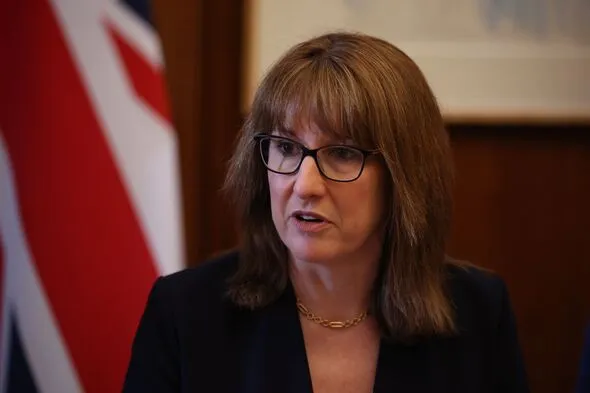
Chancellor Rachel Reeves acknowledges the challenging data, stating it arises “amid an uncertain world.” She maintains, “Our economic plan is the right one, but I know there is more to do.” Reeves recently told MPs that “nothing is off the table” for supporting households and businesses if energy prices stay elevated, noting potential revenue could aid bill relief.
The Chancellor and Energy Secretary Ed Miliband convened an urgent summit with petrol retailers to address surging fuel costs. Petrol prices have climbed at the fastest rate since the 2022 Ukraine invasion, with forecasts predicting a sharp rise in the household energy price cap this summer.
Push for Rosebank and Jackdaw Developments
Key proposals include the Rosebank field, the largest undeveloped oil reserve in UK waters holding about 300 million barrels, and the Jackdaw field, 150 miles east of Aberdeen. Developers claim Jackdaw could supply gas to heat 1.4 million homes.
Energy Secretary Miliband has not yet greenlit Rosebank, which he previously labeled “climate vandalism” while in opposition. A decision looms as energy security concerns intensify.
Business Leaders Demand Policy Shift
Ineos chief Sir Jim Ratcliffe urges a “rapid reassessment of our priorities” in the North Sea, emphasizing, “Nothing is more important for national security than energy independence.” He warns that unreliable energy supplies in conflict scenarios threaten hospitals, transport, manufacturing, and essentials like heating and lighting, leaving the country “crippled.”
Octopus founder Greg Jackson calls on the government to “use what’s available from the North Sea.” Offshore Energies UK, representing the oil and gas sector, campaigns to scrap the 78% windfall tax, claiming it drives firms away and eliminates 1,000 jobs monthly.
Shadow Chancellor Sir Mel Stride criticizes Labour’s approach, stating it has left the UK exposed to Middle East disruptions. He demands axing the fuel tax, supporting North Sea oil and gas, and delivering a deficit-reduction plan to lower benefits spending.
Reform UK’s Robert Jenrick advocates unapologetic drilling to revive jobs, calling it “economic lunacy” to overlook rich reserves.
Gloomy Growth Outlook
Momentum faded in late last year as consumers curbed spending amid tax hike worries and rising unemployment. The Office for Budget Responsibility slashed its 2026 growth forecast to 1.1% from 1.4% in the Spring Statement.
KPMG UK chief economist Yael Selfin predicts growth will “remain elusive,” with activity set to weaken further due to soaring energy costs. “The UK economy started the year on the back foot,” she notes.