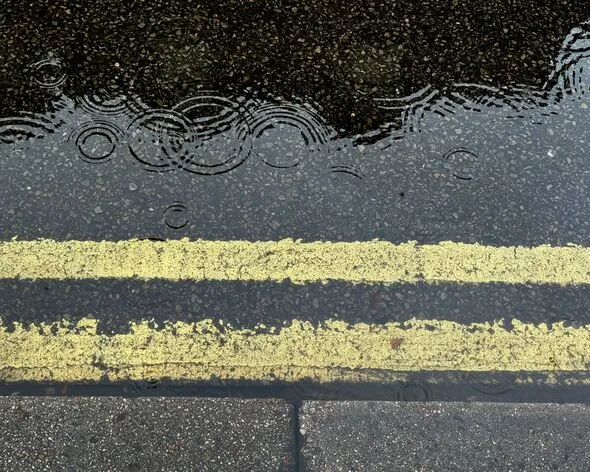
Many UK motorists struggle to recall key theory test rules, especially road markings like yellow lines. These regulations protect drivers and pedestrians alike. A driving expert clarifies the vital difference between single and double yellow lines, simplifying compliance for all.
No Waiting vs No Stopping: Clearing Up the Confusion
Yellow lines signal ‘no waiting,’ not ‘no stopping,’ as many believe. Red lines enforce no stopping. Driving expert Annie explains: “Loads of people think yellow signs mean no stopping but they don’t, it’s the red lines which mean no stopping.”
On yellow lines, drivers may stop briefly to drop off passengers or load goods but must drive away immediately—no leaving the vehicle unattended. She adds: “So on yellow lines you are allowed to stop your car, drop someone off but you have to drive away again, you can’t leave your car there.”
Single Yellow Lines: Time-Specific Restrictions
A single yellow line means no waiting during specified hours. Nearby signs detail times, such as Monday to Saturday, 9am to 4pm. Outside those periods, parking is permitted.
Annie notes: “If there’s one line that means no waiting sometimes. If you think about it, more paint means more danger, more restrictions. So one line is no waiting sometimes, two lines is no waiting all the time.” She concludes: “If you can remember if there’s more paint, then there is going to be more danger, more restrictions.”
What the Highway Code Specifies
The UK Highway Code confirms double yellow lines ban waiting or parking at any time. Single yellow lines restrict waiting only during posted hours—always check nearby signage. If no signs appear, restrictions apply continuously.
Both allow brief stops for passenger drop-offs or loading/unloading, unless kerb markings prohibit it. In Controlled Parking Zones (CPZs), single yellow lines often rely on entry signs rather than individual plates. Drivers should scan small white rectangular signs with yellow borders for exact time limits on single yellow lines.