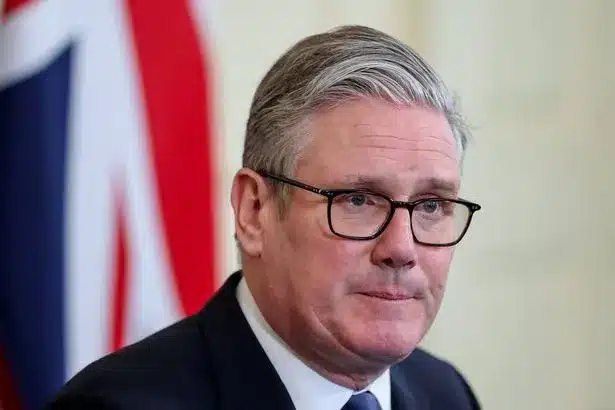
Prime Minister Keir Starmer addresses the nation today during Prime Minister’s Questions, where he confronts intense scrutiny over plans to reopen the Strait of Hormuz amid escalating tensions.
Chancellor Rachel Reeves warned yesterday of substantial economic fallout from the Iran conflict, centered on Tehran’s blockade of the vital oil and gas shipping corridor.
Oil Prices Rocket Amid Strait Closure
The Strait of Hormuz shutdown drives crude oil above $100 per barrel. Shell CEO Wael Sawan stated at an industry conference that Europe faces potential shortages next month if the route stays closed.
UK Spearheads Reopening Strategy
Donald Trump calls on global partners to help restore access, with the UK leading coordinated efforts. Starmer discussed a workable plan with Saudi Crown Prince Mohammed bin Salman to ensure safe passage through the key waterway.
Naval deployments remain improbable while Iran threatens vessels with missiles and drones.
Iran Insists on Conditional Access
Iran maintains the strait open for ships from non-hostile nations, requiring coordination with its authorities. Foreign Minister Abbas Araghchi relayed this position in talks with counterparts and via a letter to the International Maritime Organisation.
Shipping continues to avoid the area despite these assurances.
US Sends Mixed War Signals
Trump described Iran’s actions as a “very big present” for US oil and gas interests at a White House briefing, offering no details. He asserts victory with regime change and ongoing talks, yet orders thousands of troops to the region as Iran deploys drones and missiles against neighbors.
Reports reveal a proposed 15-point US ceasefire plan to Iran, which officials there reject amid claims of no negotiations.