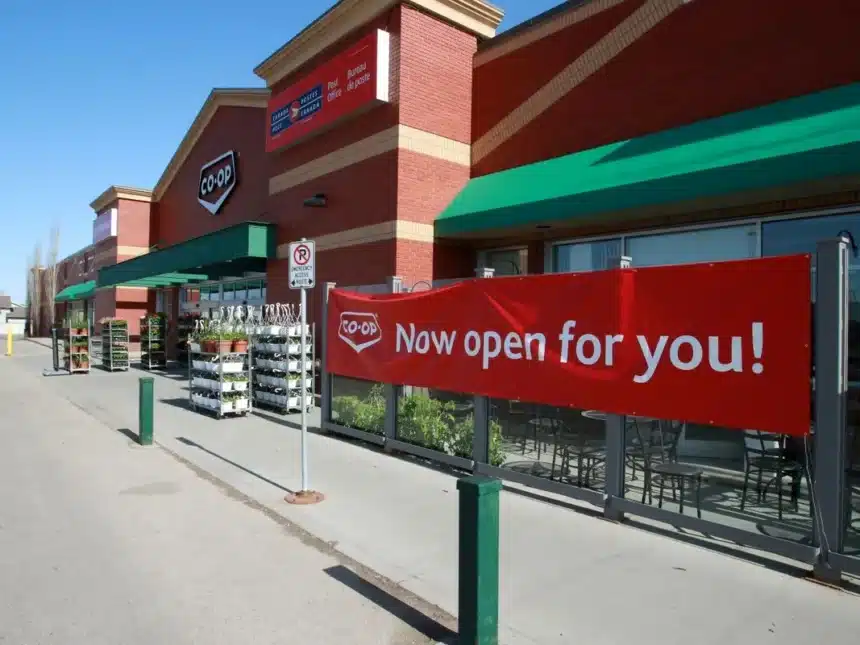
Communities across Western Canada rely on customer-owned grocery cooperatives that operate without a profit motive, returning earnings directly to members through elected boards. These stores welcome all shoppers, offering potential savings by eliminating corporate overheads and executive bonuses. Members access digital accounts to track their investments around the clock.
Established Co-op Networks Thrive in the Prairies
Federated Co-operatives Ltd. oversees 275 affiliated stores across the four western provinces, primarily on the prairies. In 2020, Calgary-area Co-op stores voted to operate independently, adding dozens more locations. These networks embody community-driven ideals, owning refineries, lumber yards, fertilizer terminals, and feed stores to counter distributor challenges.
Shoppers in places like Lloydminster actively participate as members, highlighting the model’s deep roots in the region.
NDP Leader Advocates for Public Grocery Options
NDP leader Avi Lewis promotes community cooperatives and public grocery stores to address rising food costs, suggesting they could shield against corporate dominance. He points to examples like Mexico and the U.S. military commissary system, arguing that local efforts alone face obstacles from centralized suppliers.
Western co-ops demonstrate a counterpoint, having vertically integrated over a century ago to secure supply chains.
Food Inflation Hits Co-ops as Hard as Chains
Despite their structure, food prices in co-op stores mirror inflation trends at major chains like Loblaws, Sobeys, and Walmart. Economists note that grocery profit margins remain slim industry-wide, questioning whether non-profits inherently lower costs for members or others.
Remote prairie areas may experience some price stabilization, warranting further study by research organizations. High inflation persists, frustrating shoppers regardless of store type.
Media Coverage Overlooks Regional Realities
A recent CBC Radio segment explored public grocery stores’ potential to cut costs but omitted mention of existing co-ops competing daily with for-profit rivals. This gap underscores a broader urban-rural divide in national discussions on food affordability.