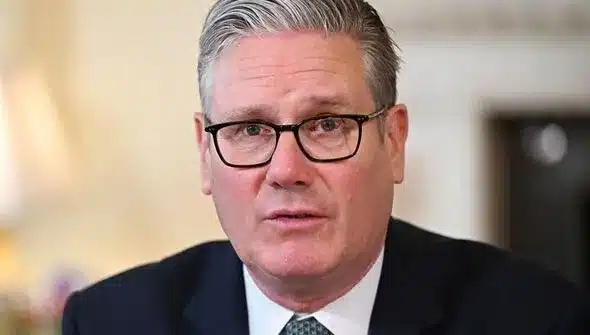
Sir Keir Starmer confronts significant challenges in maintaining his position as Prime Minister until 2029. Recent developments highlight growing dissatisfaction within his own party and among voters, despite the substantial 2024 election victory that delivered a large parliamentary majority but a narrower public mandate.
Internal Labour Divisions Emerge
The government struggles to articulate a clear vision, leaving many voters uncertain about its priorities. Decisions such as blocking Greater Manchester Mayor Andy Burnham’s initiatives have drawn criticism for appearing overly partisan. Labour members concerns over economic strategies and National Health Service reforms, viewing them as concessions that undermine core principles. Meanwhile, critics on the right highlight persistent issues with Channel migrant crossings and proposals perceived as targeting high earners.
Efforts to balance competing interests risk alienating all sides, mirroring past challenges faced by previous administrations.
May Elections Loom as Key Test
Upcoming local elections in May signal potential trouble for Labour in traditional strongholds. Current polling forecasts heavy losses, including to the Green Party in London, Reform UK in northern regions, and both Reform UK and Plaid Cymru in Wales. These results could intensify pressure on Starmer’s leadership.
Future Scenarios for Labour
No clear successor has emerged, which may deter immediate calls for resignation and preserve the party’s majority. However, rebellious backbenchers might hesitate to risk it over policy disputes. External factors, such as economic downturns, could necessitate austerity measures that prove unpalatable to many Labour MPs.
Party strategists might consider an early general election to form a progressive coalition under current conditions, anticipating tougher circumstances ahead with worsening finances or rising immigration pressures.
Opposition Parties Navigate Their Paths
The Conservative Party’s renewal remains elusive. Kemi Badenoch leads efforts to regain voter trust amid lingering memories of past governance failures. Both major parties hope for setbacks among rising challengers like Reform UK and the Greens through internal conflicts or scandals.
Reform UK demonstrates resilience against media scrutiny, with its local councils operating efficiently and free of major controversies. Some councils adopt cautious approaches given inherited challenges, positioning the party strongly for future gains.
Labour may weather the post-May storm through leadership changes, while Reform UK benefits from maintaining discipline and focus to stay on track for national influence.