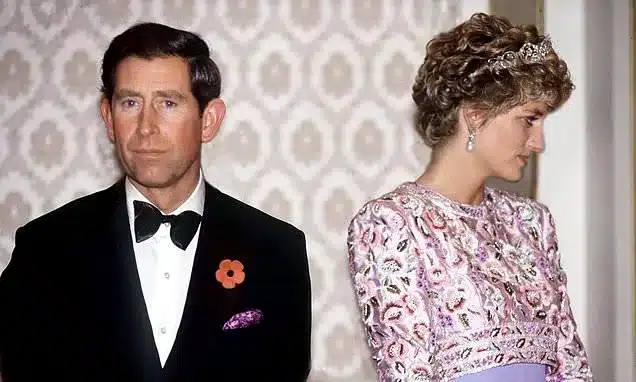
Audio recordings captured by Princess Diana in 1991 detailing the collapse of her marriage to Prince Charles will premiere publicly for the first time in a forthcoming three-part TV series.
Diana: The Unheard Truth
The series, titled Diana: The Unheard Truth, draws from five hours of secretly recorded tapes. Diana’s friend, Dr. James Colthurst, facilitated the recordings at Kensington Palace and passed them to author Andrew Morton, forming the foundation of his 1992 book Diana: Her True Story.
Scheduled for release on August 31, 2027, to commemorate the 30th anniversary of Diana’s death, the program promises unprecedented access to her voice. Previously, the public has heard less than one hour of these intimate confessions.
Insights from the Recordings
In the tapes, Diana recounts her first encounter with Charles, the early blossoming of their romance, and its eventual fracture. She also shares perspectives on fellow royals, including her sons, Queen Camilla, Prince Andrew, and Sarah Ferguson.
These conversations occurred after a decade of marriage, amid mounting strains. Diana opened up about her profound unhappiness, suicide attempts, battles with bulimia, and even shared letters between Charles and Camilla with Morton.
Production and Fresh Perspectives
Love Monday TV collaborates with Morton and Colthurst to bring this material to light. The producers aim to highlight Diana’s “infectious humour and twinkling laughter,” portraying her dreams of a liberated future where Charles pursues life with Camilla, allowing her to forge her own path.
The series features interviews with Diana’s inner circle, including her first on-camera appearance by prep school friend Delissa Needham, alongside hairdresser Sam McKnight and confidante Penny Thornton.
Andrew Morton’s Reflections
Morton describes listening to the tapes “with mounting astonishment” to Diana’s “tale of woe.” He notes her “nagging fear that, at any moment, her enemies in the Palace would have her classified as mentally ill and locked away.”
The book sparked controversy, drawing condemnation from the Archbishop of Canterbury and refusals from some booksellers. Buckingham Palace initially distanced itself, though Diana emerged as the primary source. Morton observes that post-publication support, including letters from those with eating disorders, bolstered her. “She never regretted the taping sessions,” he states, crediting them with unleashing her humanitarian spirit in her final years.
Filming is underway, setting the stage for this revealing broadcast.