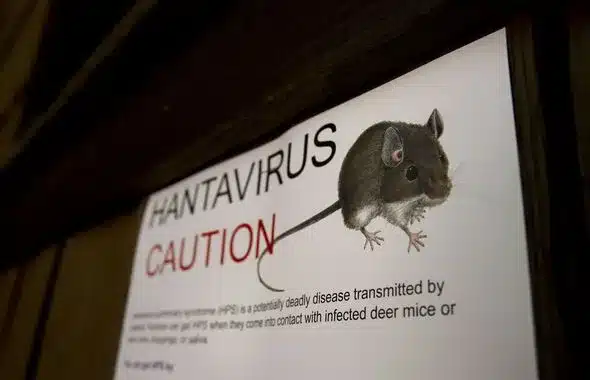
Three passengers have died following a confirmed hantavirus case aboard the MV Hondius cruise ship en route from Argentina to Cape Verde. This rare virus often mimics flu symptoms and stems from exposure to infected rodents.
How Hantavirus Spreads
Hantavirus Pulmonary Syndrome (HPS) occurs through inhaling, ingesting, or contacting urine, droppings, or saliva from infected rats or mice. Transmission happens via direct handling of rodents or contaminated surfaces. Each strain ties to a specific rodent host. The incubation period spans two to four weeks on average, though it ranges from days to eight weeks.
Prevention Measures
Avoid contact with wild rodents and their habitats. Wash hands thoroughly after potential exposure. When cleaning rodent droppings at home, wear rubber gloves and a mask. Disinfect areas instead of sweeping, which disperses infectious particles into the air.
Early Symptoms to Recognize
Initial signs resemble influenza and include:
- Fever above 101°F
- Chills
- Muscle aches
- Severe headaches
- Nausea
- Stomach pain
- Dry cough
- Rapid onset of breathing difficulties
Diagnosis and Treatment Challenges
“Diagnosing HPS proves difficult since early symptoms mirror the flu, and no specific tests exist at that stage,” states Dr. Jamie Winn, PharmD from Universal Drugstore. “Rodent exposure history with fever and fatigue signals potential infection. Seek immediate medical attention for unexplained fever, aches, abdominal pain, diarrhea, headaches, dry cough, or breathing issues—particularly in areas like the southwestern U.S. with high rodent populations.”
No targeted treatments exist for HPS, but prompt ICU care boosts survival odds. Antivirals like ribavirin may help severe cases of related strains, pending further trials. Survivors often face prolonged recovery with persistent fatigue and reduced stamina.