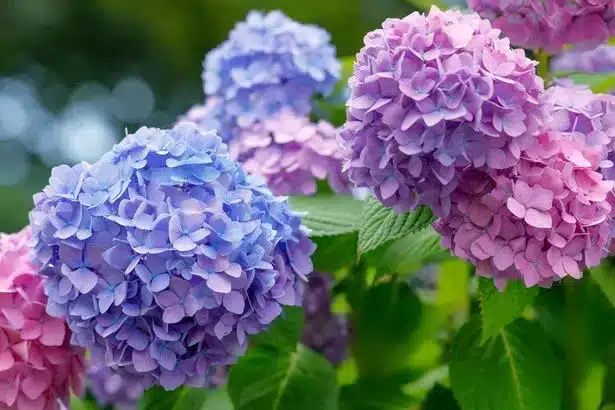
Hydrangeas offer vibrant displays in gardens, and gardeners can influence their bloom colors through simple soil adjustments. Adding one key ingredient in May triggers remarkable transformations, turning pink flowers blue or lavender without risky shortcuts.
How Soil pH Controls Hydrangea Colors
Hydrangea colors depend on soil pH and aluminum availability. Acidic soil with pH below 6.0 produces blue blooms, while alkaline or neutral soil above pH 6.5 yields pink or purple shades. White and red varieties remain unchanged.
Safe Methods to Turn Hydrangeas Blue
To shift pink mophead hydrangeas (Hydrangea macrophylla) toward blue or lavender, lower soil pH using proven techniques. Apply aluminum sulfate, sulfur, or acidic organic matter like pine needles or coffee grounds. Ericaceous compost boosts iron levels effectively, while sulfate of iron provides a direct solution—dissolve and water it in.
Pine bark chips offer another option: spread them on top to break down naturally and increase acidity over time.
Turning Hydrangeas Pink
Raise soil pH with garden lime to limit aluminum uptake and promote pink hues from blue flowers.
Dangerous Mistake to Avoid
Steer clear of rusty nails in soil beds. While they might introduce iron theoretically, the hazards of scattered metal outweigh any benefits. Safer alternatives deliver results without turning garden beds into potential dangers.
Timing and Expectations
Perform adjustments in May during spring growth. Color shifts take weeks to years and may partially affect current-season blooms. Consistent care yields the desired vibrant changes.