Dog Exploitation Ring Uncovered in Uganda
An extensive network of social media accounts, purportedly representing pet shelters in Uganda, has been systematically exploiting vulnerable animals and unsuspecting donors. Investigations reveal that hundreds of these fundraising operations, primarily based in Mityana, a town in central Uganda, have been active on platforms like Instagram, TikTok, Facebook, and YouTube.
Using open-source intelligence techniques, researchers have identified these operations raising significant sums, estimated to be over £540,000 in five years through donation platforms. Analysis indicates a substantial portion of these campaigns may have been fraudulent. An in-depth investigation has exposed the deceptive practices employed by these groups.
Heartbreaking Tactics Used to Solicit Funds
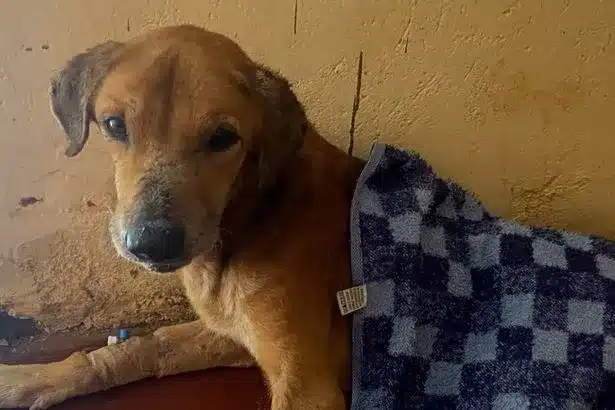
Undercover reporting details how distressed animals, often appearing injured or emaciated, are filmed to elicit sympathy and donations. One instance involved a dog named Russet, featured in a TikTok video after allegedly being hit by a car. Thousands of pounds were raised for the dog’s care. However, a UK-based donor intervened and took Russet to a veterinary clinic in Kampala. Veterinarian Dr. Isa Lutebemberwa stated that Russet’s injuries were inconsistent with an accident and that the dog endured considerable pain and suffering before ultimately dying.
Investigators believe Russet, along with other animals, may have been passed between different content creators for weeks while suffering from severe injuries, used as a prop to generate donations. The reporter noted, “Russet and his pain appeared to have been used as props for generating content, and possibly revenue.”
Donors Lose Savings to Deceptive Campaigns
Animal lovers like Lianne Stone, a 38-year-old carer from Manchester, have lost substantial personal savings to these scams. Stone recounted donating over £1,300, more than half of her savings, over a six-month period. “The videos are heartbreaking, painfully thin dogs, some injured, some in pain. It’s hard to scroll past them without thinking, ‘I should help them’,” she explained.
Stone initially responded to videos of starving puppies on Instagram in January 2025. After engaging with messages asking for money to feed the animals, she transferred her first £70, with assurances that the funds would be used for their care. Her friends also contributed.
Investigative Findings Expose Organized Fraud
A review of hundreds of online pages fundraising for Ugandan pet shelters found that nearly 40% were linked to operations in Mityana. Reports suggest that funds were diverted for personal use, including the purchase of mobile phones, lavish pool parties, and vehicles. Bart Kakooza, chairman of the Uganda Society for the Protection and Care of Animals, commented, “These young men [the scammers] realised they can make money if they get a dog.”
Deception and Animal Neglect Revealed
An undercover reporter visited a facility managed by Charles Lubajja, where approximately 15 dogs were housed in cramped conditions, lying in their own waste. Many animals appeared severely underweight and lethargic. Lubajja reportedly admitted that the shelter’s primary purpose was to generate income from international social media audiences and shared methods for increasing revenue, including staging fake veterinary treatments.
Lubajja was secretly recorded advising the reporter, “Once you receive the GoFundMe money, you use it to buy a car or build a house.” He also confessed that content creators have intentionally harmed animals, stating, “content creators have ‘cut the dogs’ to make them appear more battered.”
Lianne Stone’s experience aligns with these revelations. She detailed making numerous PayPal donations for various expenses, including vet visits, milk, and dog food, and even for the men’s meals. She eventually suspected foul play when a request for a personal video of the puppies she intended to help resulted in footage of older dogs. “My stomach dropped. I was devastated,” Stone said upon realizing she had been scammed.
The operation is reportedly so well-established that some shelter owners permit multiple content creators to film with animals for a fee, allowing these creators to run their own fundraising campaigns using the footage. Following the discovery of the scam, Lianne Stone deactivated her Instagram account, citing the negative impact on her mental health.
Authorities Investigate and Platform Responses
Mityana Police have initiated investigations into animal cruelty at local dog shelters, leading to the rescue of injured animals and several arrests. One case concluded with a warning.
Dr. Isa has called for increased due diligence from fundraising platforms and improved shelter regulations from the government. “On the government side, there needs to be better shelter regulation,” he stated.
Platforms contacted for comment have outlined their policies against animal abuse and fraudulent schemes. One platform stated that a significant percentage of violating content is proactively removed before it is reported. They also highlighted their security measures to protect donors. Another major donation platform affirmed its commitment to donor safety and its policy of banning accounts linked to such activities, encouraging users to report any concerns.
The findings of the investigation into this scam are featured in a television documentary titled “Save our Dogs: Inside Uganda’s Rescue Scam,” available for viewing, and a radio documentary, “For the love of Dogs,” accessible on demand.