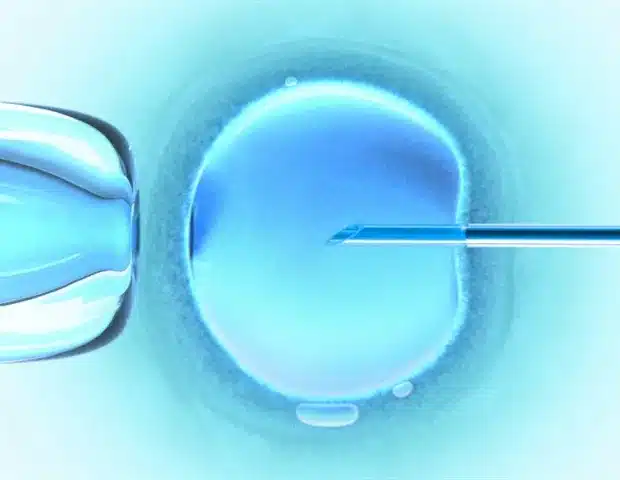
Japan has significantly revised its ethical guidelines for human embryo model research, aligning its regulatory framework with international standards while introducing specific national requirements. These updates, effective from April 2026, aim to provide clearer oversight for a rapidly advancing scientific field that uses stem cells to model early human development. The changes address the increasing complexity and extended culture periods of these models, which have prompted global discussions on appropriate ethical and regulatory boundaries.
Understanding Human Embryo Models
Human embryo models, derived from stem cells, offer researchers a vital tool to study the intricate processes of early human development, implantation, and the origins of infertility. Crucially, these models allow for such investigations without the ethical complexities and limitations associated with using actual human embryos. As scientific techniques improve, these models are becoming more sophisticated and can be sustained in laboratory cultures for longer durations, leading to a critical need for updated governance structures.
Japan’s Revised Regulatory Landscape
Japan’s updated “Guidelines on the Utilization of Human Embryonic Stem (ES) Cells” and the “Guidelines on Research on Producing Germ Cells from Human-Induced Plipotent Stem (iPS) Cells or Human Tissue Stem Cells” consolidate oversight for all human embryo model research under a unified system. This consolidation includes research utilizing induced pluripotent stem (iPS) cells, which previously existed in a somewhat ambiguous regulatory space.
Key provisions of the revised Japanese guidelines include:
- Mandatory Ethics Review and Government Notification: All research involving human embryo models now requires rigorous ethical review and formal notification to the national government.
- Prohibition of Uterine Transfer and Organismal Development: The guidelines strictly prohibit the transfer of these models into a human or animal uterus, thereby preventing any possibility of organismal development.
- Defined Culture Periods: Researchers must specify and justify the minimum culture period necessary for their specific research objectives in advance.
- Public Disclosure of Findings: A commitment to making research outcomes publicly accessible is a core component of the new regulations.
Alignment and Divergence with International Standards
The revisions in Japan largely mirror the updated guidelines issued by the International Society for Stem Cell Research (ISSCR) in 2025. Both sets of guidelines share fundamental principles:
- Specialized Review: Both emphasize the necessity of review by committees with expertise in both ethical considerations and the specific scientific methodologies involved.
- Developmental Limits: Both prohibit the development of embryo models beyond a certain stage, specifically forbidding uterine transfer and full organismal development.
- Culture Period Limitations: Both stress the importance of limiting the time these models are cultured to the minimum required for scientific inquiry.
However, notable differences exist, particularly in the definition and scope of what constitutes a “human embryo model.” The ISSCR guidelines, for instance, encompass certain organoid models that mimic early human somitogenesis and body-axis formation. In contrast, Japan’s regulations maintain a distinction, classifying organoids and human embryo models as separate research categories.
Navigating Practical Challenges
These definitional differences, while seemingly nuanced, can create practical hurdles for the global research community. A study that might not be classified as human embryo model research under Japan’s specific rules could still be subject to scrutiny or different classification by international scientific journals or at global conferences, which often adhere to broader definitions like those proposed by the ISSCR.
Researchers, ethics review boards, regulatory bodies, academic societies, and scientific publishers must collaborate to navigate these discrepancies. Open dialogue and a shared understanding of evolving expectations are crucial for ensuring that scientific progress is supported while maintaining robust ethical oversight.
The Path Forward
The ongoing advancements in human embryo model research necessitate continuous adaptation of regulatory frameworks worldwide. As different nations update their guidelines at varying paces and with distinct policy approaches, the potential for international inconsistencies remains. This underscores the importance of sustained global dialogue and the sharing of experiences among researchers and institutions operating across borders.
The study’s authors highlight that establishing new rules is only the initial step. The true challenge lies in the consistent and practical interpretation and application of these regulations. Fostering international cooperation and transparency will be key to building public trust and ensuring that this cutting-edge research proceeds responsibly.
The insights presented in this article are based on research published in Cell Stem Cell, exploring the governance of human stem cell-based embryo models, with a specific focus on recent developments in Japan.