Leaders at the North Atlantic Treaty Organization (Nato) summit in Ankara, Turkey, convened with a call for solidarity and strength, even as the gathering was once again overshadowed by the pronouncements of former US President Donald Trump. The summit, held at the presidential palace, was framed as critically important against the backdrop of the ongoing conflict in Ukraine and broader geopolitical tensions.
Starmer’s Call for Unity
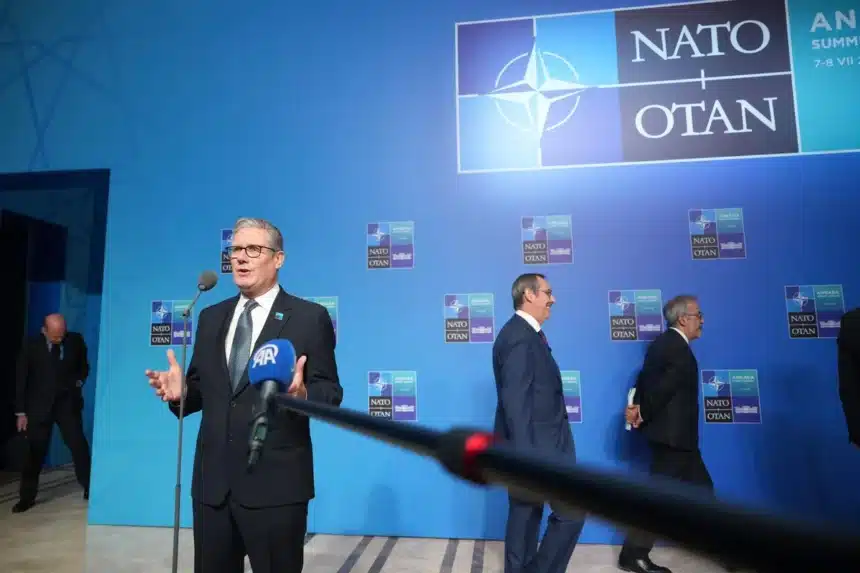
Upon his arrival, the Prime Minister emphasized the necessity for allied nations to project a unified front. “It’s very important that, as leaders, we show the unity and the strength of Nato at a time like this, and that’s what we’ll do at this summit here this morning,” he stated to reporters. This plea for cohesion came as the summit’s agenda was, in part, dominated by concerns stemming from Trump’s past and potential future criticisms of the alliance.
Trump’s Lingering Influence
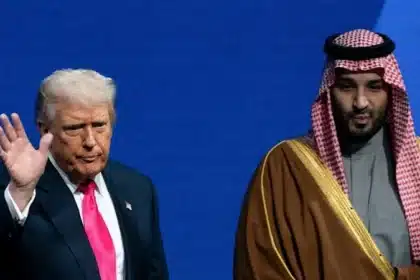
Echoing sentiments from previous years, the presence and rhetoric of Donald Trump cast a significant shadow over the proceedings in Ankara. Prior to the summit, Trump reignited discussions about his commitment to Nato, reiterating his earlier assertion that Greenland, a territory of Nato ally Denmark, should belong to the United States. He had previously indicated that the Greenland dispute had strained his relationship with the alliance and suggested the possibility of withdrawing all US troops from Europe. These remarks underscored persistent questions about the commitment of the United States to collective security under his influence.
Defence Spending and Commitments
Nato Secretary-General Jens Stoltenberg addressed these concerns, affirming the United States’ unwavering commitment to the alliance. However, he also noted an expectation that member states would increase their defense expenditures to align with American levels. Defence spending was anticipated to be a central theme of the summit. Stoltenberg urged allies to present concrete plans for achieving the target of spending 5% of their Gross Domestic Product (GDP) on defense by 2035, a goal previously agreed upon.
Domestically, questions were raised about the preparedness of the UK’s defense investment strategy. Critics suggested that the recently released Defence Investment Plan lacked a clear roadmap for meeting the agreed-upon Nato spending targets. While ministers maintained that future spending reviews would outline the necessary steps, the ultimate decisions were expected to be made by the incoming government. Despite these domestic criticisms, the UK Prime Minister did unveil a significant new European initiative.
New Missile Development Partnership
At the summit, a partnership involving approximately 12 European nations was announced, with a collective commitment to invest $50 billion (£37 billion) in the development of long-range missiles. This initiative focuses on “deep precision strike” capabilities, including advanced technologies like hypersonic missiles. Such weaponry, exemplified by the British-made Storm Shadow, has proven vital in the Ukraine conflict, enabling Ukrainian forces to strike targets deep behind enemy lines.
The European commitment encompasses various ongoing projects, such as a joint UK-German effort to develop hypersonic long-range missiles and collaborative work with Italy and France on the Stratus missile program. While not all participating nations will contribute to a single weapon system, officials indicated that this coordinated approach aims to prevent redundant efforts and foster greater efficiency among allies as they develop different types of advanced missile technology.
Bilateral Engagements
Beyond the main summit sessions, the Prime Minister was also scheduled to hold what was anticipated to be his final meeting with Ukrainian President Volodymyr Zelensky on the sidelines of the event. Additionally, a defense cooperation agreement with Turkish President Recep Tayyip Erdogan was expected to be signed. Although a formal meeting with Donald Trump was not on the agenda, the Prime Minister was slated to be seated next to him during the North Atlantic Council session, highlighting the complex dynamics at play during the summit.
Conclusion
The Nato summit in Ankara underscored the enduring challenges and opportunities facing the transatlantic alliance. While calls for unity and strength resonated, the persistent influence of external political factors and the critical need for equitable defense spending remained central to discussions. The announcement of the European missile development partnership signaled a commitment to enhancing collective security capabilities, even as leaders navigated complex geopolitical landscapes and internal alliance dynamics.