In a significant international effort, dozens of nations and organizations have committed approximately $1 billion (900 million euros) towards a crucial recovery fund for Gaza. The initiative, spearheaded by the European Union, aims to address the dire humanitarian and infrastructural needs in the war-ravaged Palestinian territory.
International Collaboration for Gaza’s Future
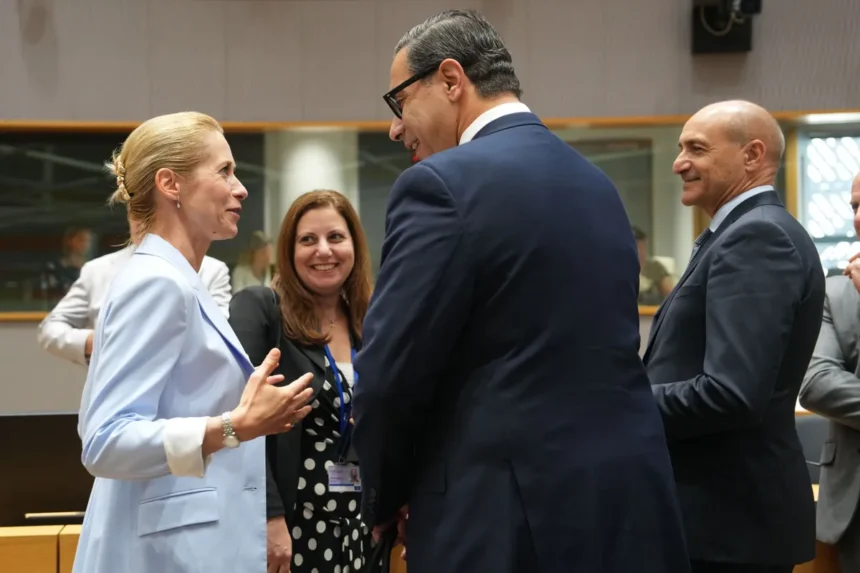
The substantial funding pledge was announced following a high-level meeting of the Palestine Donors Group in Brussels. Kaja Kallas, the European Union’s top diplomat, revealed the collective commitment, highlighting the broad international participation. The coalition includes 65 governments and major international bodies, such as the White House and the United Nations, underscoring a unified global approach to supporting Gaza’s recovery.
This coordinated fundraising effort is part of the EU’s broader ‘Team Gaza Initiative.’ The initiative seeks to mobilize resources for essential recovery projects designed to improve living conditions for Gaza’s approximately 2 million residents. These projects focus on critical areas like sanitation infrastructure and agricultural development, aiming to rebuild and sustain vital services in the densely populated coastal enclave.
EU’s Role as a Key Donor
Kallas emphasized the European Union’s long-standing and significant role in supporting the Palestinian people. “The EU is the most credible supporter for the Palestinian people,” she stated. “We are the largest donor and the strongest backer of the two-state solution.” This statement reflects the EU’s consistent policy and substantial financial contributions towards Palestinian development and humanitarian aid over many years.
The meeting in Brussels marked the second gathering of the Team Gaza Initiative, signaling a sustained commitment from the international community. The previous meeting laid the groundwork for the current funding commitments, demonstrating a phased approach to addressing the complex challenges faced by Gaza.
Addressing Gaza’s Critical Needs
Gaza, a territory with a high population density, has faced immense challenges due to ongoing conflict and a protracted blockade. The need for reconstruction and development is profound, impacting nearly every aspect of daily life for its inhabitants. The recovery fund is earmarked for projects that are fundamental to improving public health, ensuring food security, and fostering economic opportunities.
Sanitation and Water Infrastructure
A significant portion of the pledged funds is expected to be directed towards improving sanitation and water systems. Decades of underinvestment and damage from conflict have left Gaza’s infrastructure in a precarious state. Access to clean water and adequate sanitation facilities is a critical public health concern, and upgrading these systems is a top priority for recovery efforts. Projects may include the repair and expansion of sewage treatment plants, the rehabilitation of water distribution networks, and the development of desalination capabilities to increase the supply of potable water.
Agricultural Development and Food Security
The agricultural sector, a traditional source of livelihood and food for many Gazans, has also suffered considerable damage. Recovery efforts aim to revitalize farming through initiatives such as providing farmers with necessary equipment, seeds, and fertilizers, as well as supporting the rehabilitation of agricultural land and irrigation systems. Enhancing local food production is seen as a vital step towards improving food security and reducing reliance on external aid.
Broader Economic and Social Recovery
Beyond specific infrastructure projects, the recovery fund is intended to support broader economic and social development. This could encompass initiatives aimed at job creation, supporting small and medium-sized enterprises, and investing in education and healthcare services. The goal is to foster a more resilient economy and improve the overall quality of life for the people of Gaza, laying the groundwork for long-term stability and prosperity.
The Path Forward
The commitment of $1 billion represents a significant step forward in addressing the immense needs of Gaza. However, the scale of the challenges requires sustained international engagement and effective implementation of the funded projects. The success of the Team Gaza Initiative will depend on continued cooperation among donor nations, international organizations, and local stakeholders to ensure that aid reaches those most in need and contributes to lasting positive change in the region.
The EU’s leadership in coordinating this global response underscores the importance of multilateralism in tackling complex humanitarian crises. As the world looks towards the implementation of these recovery projects, the focus will remain on tangible improvements in the lives of Gazans and the rebuilding of essential services and infrastructure.