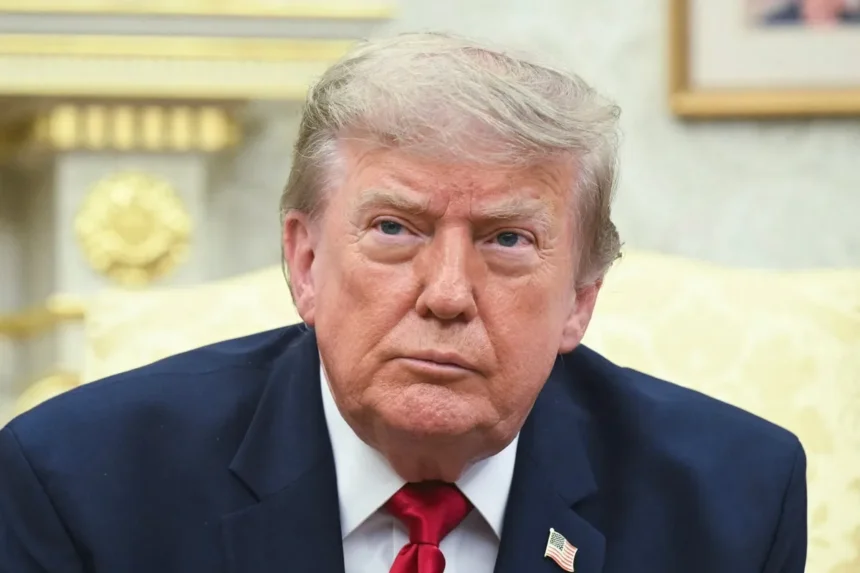
Former President Donald Trump is slated to deliver a national address on Thursday evening, with the broadcast scheduled to begin at 9 p.m. Eastern Time. The precise timing for other time zones, such as 2 a.m. British Summer Time, has also been noted. While the specific content of his remarks has not been officially confirmed, speculation suggests the speech may address allegations concerning the integrity of the 2020 election. The White House has indicated that the former president might also reveal previously classified intelligence reports related to purported foreign interference during that election cycle.
Anticipated Speech Content and White House Response
Reports circulating in the media suggest that Donald Trump’s address could involve the presentation of “newly declassified intelligence reports.” These reports are said to pertain to alleged instances of foreign interference in the 2020 presidential election. However, official confirmation of these details remains pending.
White House spokeswoman Karoline Leavitt commented on the speculative nature of the reports, stating, “As usual, anonymous sources are speculating about what President Trump will say during his speech on Thursday evening. The truth is, nobody knows yet what President Trump will ultimately say.” This statement underscores the uncertainty surrounding the exact topics and revelations expected during the address.
Public Reaction and Network Decisions
The potential broadcast of the address has already drawn commentary from political figures. Representative Alexandria Ocasio-Cortez has publicly urged television networks to exercise caution regarding the broadcast. She expressed concern that if the speech contains “lies about our election,” networks have an ethical responsibility to avoid providing a platform for unsubstantiated claims. This stance highlights a broader debate about media responsibility when covering potentially controversial or unverified information.
In response to Ocasio-Cortez’s remarks, a White House spokesperson issued a statement criticizing her position. The spokesperson reportedly referred to her as “one of the dumbest and most radical members of Congress” and suggested that her constituents would benefit from more effective representation. This exchange reflects the polarized political climate surrounding discussions of election integrity and the former president’s public statements.
How to Watch the National Address
For those wishing to view the address, national news networks are expected to provide live coverage. In addition to traditional broadcast channels, the speech is also anticipated to be available for streaming on the video-sharing platform YouTube. This dual availability aims to ensure broad public access to the former president’s remarks.
Viewing Details Summary
- Scheduled Time: Thursday, 9 p.m. ET (2 a.m. BST)
- Potential Topics: Allegations of 2020 election tampering, newly declassified intelligence reports on foreign interference.
- Broadcast Availability: Major national news networks, YouTube.
Context and Historical Precedent
Speeches and public addresses by former presidents often carry significant weight, serving as platforms for them to articulate their perspectives on current events, policy, or historical grievances. Donald Trump, in particular, has frequently used public forums to discuss the outcomes of past elections and to challenge established narratives. His addresses are often closely watched by supporters and critics alike, generating considerable media attention and political discourse.
The focus on the 2020 election and alleged foreign interference is a recurring theme in post-presidency political commentary. The release of declassified intelligence, if it occurs, could add another layer to the ongoing discussions about election security and the role of external actors in democratic processes. The veracity and implications of any such reports are likely to be subject to intense scrutiny and debate among policymakers, intelligence analysts, and the public.
Broader Implications for Media and Public Discourse
The anticipation surrounding this address also brings to the forefront questions about the role of media in disseminating information, particularly when that information is contested or unverified. The call by Representative Ocasio-Cortez for networks to refrain from airing potentially misleading content highlights the ethical tightrope that news organizations often walk. Balancing the public’s right to information with the responsibility to avoid spreading misinformation is a complex challenge.
Conversely, the White House spokesperson’s sharp retort underscores the partisan divisions that often shape these debates. The framing of Ocasio-Cortez’s concerns as partisan or radical, while defending the former president’s right to speak, is indicative of the broader political strategies employed in contemporary discourse. The decision by networks to broadcast or not broadcast such an address, and the manner in which they frame the content, can significantly influence public perception and the national conversation.
Conclusion
As Thursday evening approaches, the nation awaits Donald Trump’s national address, set for 9 p.m. ET. While the exact subject matter remains officially unconfirmed, the speech is widely expected to touch upon the 2020 election and potentially include details from declassified intelligence reports. Viewers can tune into major news networks or stream the address live on YouTube. The event is poised to generate significant public interest and further contribute to the ongoing political dialogue surrounding election integrity and the former president’s public engagements.