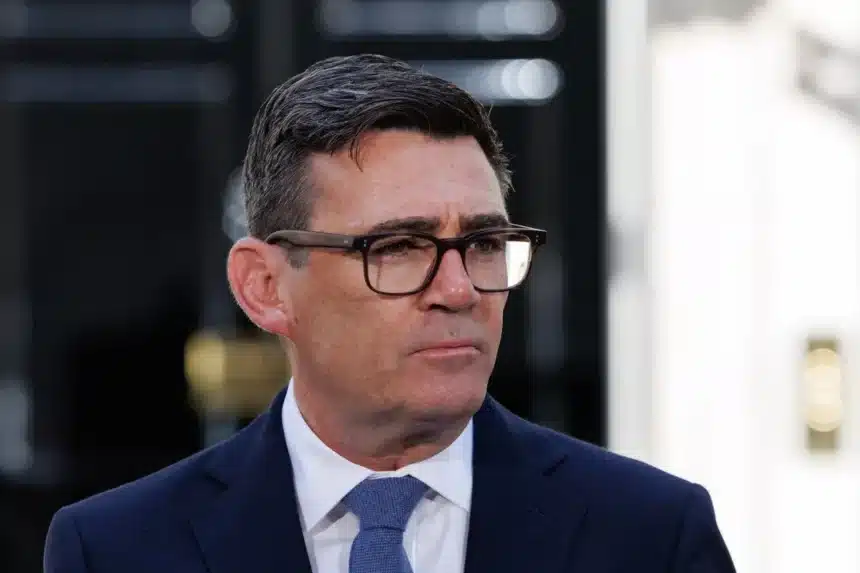
In his inaugural address as Prime Minister, Andy Burnham outlined a vision for “a circuit breaker for Britain,” signaling a commitment to “the biggest changes in the last 40 years.” He spoke of introducing “a new political model and a new economic model” to guide the nation’s transformation. However, the detailed roadmap for this ambitious ten-year plan is slated for release later this year. In the interim, Burnham assured immediate action would be taken to address the escalating cost-of-living crisis.
The Prime Minister’s Initial Stance
Following his appointment, Prime Minister Andy Burnham addressed the nation from outside his official residence, Downing Street. His speech was characterized by bold pronouncements, suggesting a significant departure from previous governance. The phrase “a circuit breaker for Britain” was central to his message, implying a decisive intervention to alter the country’s trajectory. He further elaborated on this by stating his administration intended to implement “the biggest changes in the last 40 years.” This sweeping statement was linked to the introduction of fundamentally new approaches to both political and economic structures, referred to as “a new political model and a new economic model.”
The Prime Minister acknowledged that the comprehensive strategy, a decade-long plan designed to achieve this transformation, would not be immediately available. Instead, he prioritized addressing the most pressing concerns of the populace. “He instead promised there would be immediate action on the cost-of-living crisis,” a commitment that aimed to provide tangible relief to citizens grappling with rising expenses.
Debate Over Readiness and Strategy
The timing of Prime Minister Burnham’s policy unveiling has sparked considerable discussion. Critics and observers are questioning whether the new administration should have presented a fully formed ten-year plan upon entering office, or if the initial focus on immediate crises and a broader vision is a more pragmatic approach. The core of the debate revolves around the perceived readiness of the government to enact substantial change.
Those who believe a detailed plan should have been presented at the outset argue that a clear, long-term strategy is essential for public confidence and effective governance. They might contend that without a concrete blueprint, the promises of “biggest changes” and “new models” risk remaining abstract, leaving the public uncertain about the direction of the country. This perspective often emphasizes the importance of transparency and predictability in political leadership, especially during times of economic uncertainty.
Conversely, supporters of Burnham’s approach might argue that immediate action on critical issues like the cost of living is paramount. They could posit that presenting a long-term plan before fully assessing the immediate challenges could be seen as out of touch or even irresponsible. The focus on a “circuit breaker” suggests a need for rapid intervention, and the subsequent unveiling of a more detailed ten-year strategy would allow for adjustments based on the evolving economic landscape. This viewpoint often values decisiveness and responsiveness in leadership.
The Cost-of-Living Crisis as a Priority
The Prime Minister’s explicit commitment to tackling the cost-of-living crisis underscores its significance as an immediate concern. This issue affects households across the nation, influencing daily life and economic stability. By promising swift action, Burnham’s government aims to demonstrate its responsiveness to the public’s most pressing needs. The nature of this immediate action remains to be seen, but it is expected to involve measures designed to alleviate financial pressures on individuals and families.
Long-Term Vision vs. Immediate Needs
The tension between unveiling a comprehensive long-term plan and addressing immediate crises is a recurring theme in political leadership. Prime Minister Burnham’s strategy appears to be a balancing act, acknowledging the need for both immediate relief and transformative long-term change. The success of this approach will likely depend on the effectiveness of the interim measures and the substance of the ten-year plan when it is eventually released.
Public Opinion and Engagement
The question of whether Prime Minister Burnham should have arrived at Downing Street with a fully detailed plan has been put to the public for their consideration. This engagement with public opinion is a key aspect of democratic governance, allowing citizens to voice their perspectives on the leadership’s strategy and priorities. The discourse surrounding this issue highlights the diverse expectations placed upon a new government, balancing the desire for immediate solutions with the need for strategic foresight.
The ongoing discussion invites citizens to reflect on the best approach for national leadership during periods of significant change. It prompts consideration of how governments can effectively communicate their intentions, build public trust, and navigate complex challenges. The eventual success of Prime Minister Burnham’s agenda will be measured not only by policy outcomes but also by the public’s perception of his administration’s preparedness and strategic vision.
Conclusion: Awaiting the Full Blueprint
Prime Minister Andy Burnham has set a course for significant national transformation, promising a “circuit breaker” and “the biggest changes in the last 40 years.” While immediate steps are pledged to address the cost-of-living crisis, the full ten-year plan detailing the “new political model and a new economic model” is anticipated later this year. The approach taken—prioritizing immediate action and a phased reveal of long-term strategy—is now a subject of public debate, with the effectiveness of this method to be determined by future developments and policy execution.