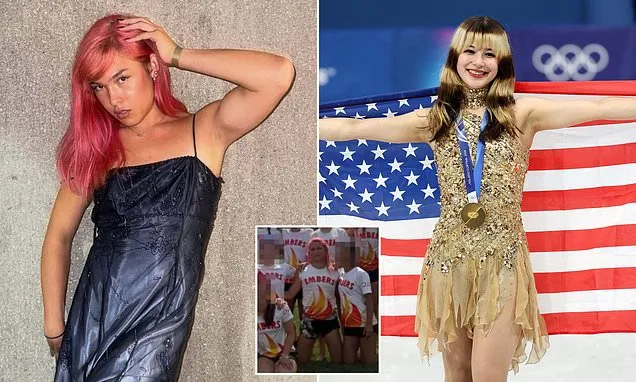
Jaylin Liu, the sibling of Olympic figure skating champion Alysa Liu, has become a prominent figure in California high school athletics, competing on girls’ teams following a gender transition. Liu’s participation and success in events for Albany High School and El Cerrito High School have ignited a broader conversation about transgender athletes in sports.
Jaylin Liu’s Athletic Achievements
Since the 2025 season, Jaylin Liu has achieved significant success in girls’ track and field. Reports indicate that Liu has secured eight first-place finishes in seasonal meets and won the 200-meter race at the Tri-County Athletic League Frosh-Soph Championship. The 2026 track season has seen Liu continue this dominance, achieving first place in every 200-meter and 400-meter girls’ race entered for Albany, including a victory at the Tri-County Athletic League Finals in May.
Beyond track and field, Liu has also reportedly competed in girls’ varsity basketball and ultimate frisbee. During the Ultimate High School National Invite in Oregon, Liu’s performance for El Cerrito High School was described as ‘extremely dominant’ in tournament coverage.
Broader Implications and Advocacy Group Reactions
The participation of transgender athletes like Jaylin Liu in categories aligning with their gender identity has become a focal point of national debate. Women’s sports advocacy organizations have voiced concerns regarding the integrity of female athletic categories.
Marshi Smith of the Independent Council on Women’s Sports commented on the situation, stating, ‘The Liu family represents two opposing forces: the pinnacle of excellence in female sports and, at the same time, a profound threat to the integrity of those sports.’ Smith further elaborated that while Alysa Liu’s achievements are the result of dedicated training, her brother’s participation ‘threaten[s] to undermine the same developmental pathways that so many girls depend on to blaze their own trails to greatness.’
A spokesperson for HeCheated, an independent tracking platform, highlighted the difficult position this places female family members in. ‘Rules allowing boys into girls’ sports often put female athletes who may have male family members, like Alysa, in an impossible position where their loyalties are torn and they are forced to choose between supporting female athletes and fairness in athletics or a beloved family member who they love,’ the spokesperson said. The platform advocates for ‘firm rules protecting the female category’ to place the responsibility of eligibility decisions on athletic officials rather than young athletes.
National Context: Transgender Athletes in Sports
Jaylin Liu’s athletic endeavors occur against the backdrop of an intensifying national discussion surrounding transgender athletes’ inclusion in women’s sports. This debate is particularly prominent in professional leagues, such as the WNBA.
Recently, Indiana Fever guard Sophie Cunningham drew attention for her public call for restrictions to ‘protect young girls in sport who shouldn’t have to go against biological men.’ Cunningham’s remarks have led to divided reactions among fans and players. In contrast, Minnesota Lynx head coach Cheryl Reeve wore a ‘Trans Kids Belong’ t-shirt on the sidelines during a game against the Fever, signaling support for transgender youth participation.
Family Support and Public Scrutiny
Despite Jaylin Liu maintaining a low social media profile regarding his sister, he was present at the Winter Olympic Games in Milan to support Alysa Liu, alongside their father, Arthur Liu. The family’s situation underscores the personal and public complexities involved in the ongoing debate about transgender inclusion in sports.
Conclusion
Jaylin Liu’s success in girls’ high school athletics brings to the forefront critical questions about fairness, inclusion, and the definition of sex-based sports categories. As the national conversation evolves, the experiences of athletes like Liu, and the reactions from advocacy groups and the public, continue to shape the future of sports policies regarding transgender participation.