A little-known pricing schedule for medical devices in Australia has been criticized for inflating costs for privately insured patients, with some experts arguing it benefits industry over consumers. The system, known as the Prescribed List, dictates what private health insurers must pay hospitals for over 10,000 medical items, ranging from pacemakers and artificial joints to surgical staples and glues. These prices are frequently higher than those paid in Australia’s public hospitals, leading to privately insured individuals paying significantly more for surgical hardware than patients in comparable international markets.
The Prescribed List: A Foundation of High Costs
The current framework for medical device pricing in Australia’s private healthcare system is largely built upon an agreement established shortly before the 2022 federal election. This deal, finalized in then-health minister Greg Hunt’s office, has been a point of contention, with federal bureaucrats later advising his successor, Mark Butler, that the agreement “predominantly benefited industry rather than providing a negotiated balance of benefits to industry and the Australian community.” Despite this advice, the agreement was endorsed and its terms enforced, forming the bedrock of the medical devices market for the past four years.
A government review conducted last year indicated that while some improvements had been made, consumers were still incurring “significantly higher” costs for medical devices compared to other nations. The Prescribed List, central to this system, sets mandatory payment rates for private health funds to hospitals for a vast array of medical products. Critics contend that this structure insulates manufacturers from typical market competition, effectively requiring policyholders to subsidize corporate profits.
Price Discrepancies and International Comparisons
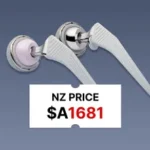
Concerns about the elevated costs are amplified by direct comparisons with international healthcare systems. Official data reveals substantial price gaps between Australia and countries like New Zealand, the United Kingdom, and France for various medical devices, including defibrillators, artificial joints, and pacemakers. For instance, in 2023, the benefit private insurers were mandated to pay for a popular implanted cardiac defibrillator was $36,500, while public hospitals procured the identical device for $14,500.
This contrasts sharply with the pricing of prescription medicines under Australia’s Pharmaceutical Benefits Scheme, where the government directly negotiates prices with manufacturers to achieve the lowest possible cost for taxpayers. The medical device market, however, operates differently, with prices determined by an advisory committee that reviews figures multiple times a year. In 2022, a price floor was established for devices on the list, set at 7 percent above the prices paid by public hospitals – a margin that remains in effect, according to the Department of Health.
Bureaucratic Warnings and Political Decisions
Internal government documents obtained through freedom of information requests shed light on the internal deliberations surrounding the 2022 agreement. Public servants reportedly refused to endorse the deal, with a senior bureaucrat advising the minister’s office against signing the memorandum of understanding with the Medical Technology Association of Australia (MTAA) days before it was finalized. The official warned of significant financial risks and unquantified concessions.
Upon Labor’s ascension to government, departmental briefs reiterated concerns that the deal was not negotiated by the department and disproportionately favored industry. Despite these internal reservations, the agreement has persisted.
Industry Perspectives and Government Responses
Representatives from the medical device industry and private healthcare sector offer differing perspectives. Dr. Rachel David, chief executive of Private Healthcare Australia, stated that the Prescribed List consistently results in prices for medical devices in the private system that are 7 to 20 percent higher than public prices, with some discrepancies reaching much higher levels. Her association provided examples where prices for certain devices were up to 358 percent higher than those paid in New Zealand.
David argued that the Prescribed List agreement facilitates a direct transfer of hundreds of millions of dollars from health insurance policyholders to boost the profits of private hospitals and device manufacturers. She asserted that “Prices have been too high for too long and international medical device companies have profited at the expense of Australian consumers.”
Ian Burgess, chief executive of the MTAA, defended the agreement, asserting that it has generated real savings. He rejected direct price comparisons with overseas markets, citing differences in funding models and regulatory environments. Burgess also suggested that savings achieved through the agreement were absorbed by increases in insurer management expenses and profits, rather than being passed on to policyholders. Data from Australia’s prudential regulator indicates that private health insurers reported $2.1 billion in net profit after tax in the most recent financial year, with management expenses rising to $3.4 billion.
Ongoing Reviews and Future Directions
The government has acknowledged the concerns and initiated reviews. A review by Nous Group in September 2025 reported that while administrative benchmark changes had reduced medical device costs by up to $1.17 billion and narrowed the price gap between public and private systems for prostheses, the Prescribed List prices remained “significantly higher than prices in comparable markets.” The report’s primary recommendation was for the Australian government to urgently “review the potential role of international benchmarking in benefit setting,” recognizing the artificially high nature of Australian device prices relative to global benchmarks.
A spokesperson for the current Health Minister, Mark Butler, stated that the government has worked to reduce device costs while striving to maintain private health affordability and patient access to new medical technologies. They noted that the Labor government inherited the Prescribed List agreement, which was reportedly marked by significant stakeholder disagreement.
The debate over the Prescribed List highlights a complex interplay between industry interests, healthcare costs, and government policy. While efforts have been made to address price discrepancies, the system continues to be a focal point for discussions on ensuring value for money in Australia’s private healthcare sector.