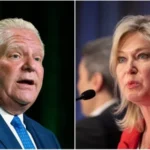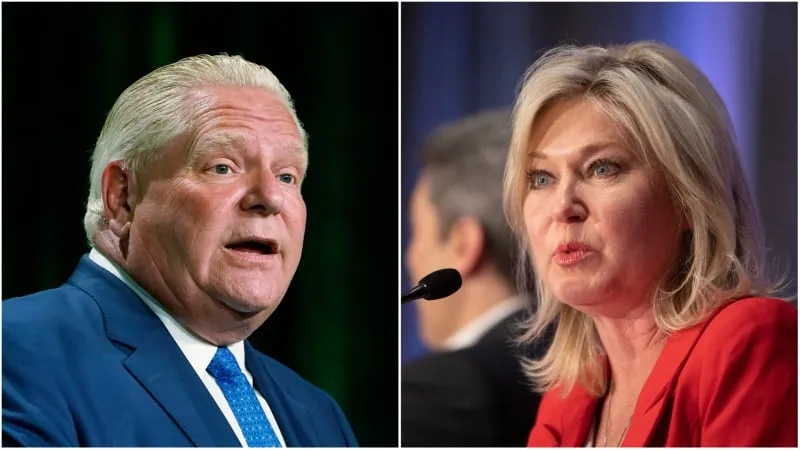
Ontario Premier Doug Ford has stated he was unaware of and does not approve of the Progressive Conservative party’s expenditure of $3,000 for a trip to Jamaica intended to surveil Bonnie Crombie, the leader of the Ontario Liberal Party. The report, published by POLICORNER and The Trillium, revealed that the PC party funded an individual’s travel to the resort where Crombie was vacationing shortly after her selection as Liberal leader in 2023. Sources cited by the outlets characterized the trip as an effort to “spy on” Crombie, occurring just six days after her appointment.
Premier Ford’s Reaction to the Jamaica Trip
During a press conference held in Guelph on Thursday, Premier Ford addressed the controversial expense, asserting that he only learned of the trip on Wednesday. “I just found out yesterday. You would have to talk to the party about it. It was $3,000 of the party’s money and I did not know until yesterday,” Ford stated. He reiterated his disapproval, saying, “But talk to the party. I don’t approve of it but that is neither here nor there. That was $3,000 of the party’s money.”
Ford emphasized that the $3,000 was allocated from the party’s funds, not taxpayer money directly. However, it is noted that political parties in Ontario receive a per-vote subsidy, which means a portion of their operational budget is derived from public funds. When questioned further, Ford drew a parallel to media coverage of his own travels, stating, “You would have to talk to the party. I wouldn’t do it but again things happen. It is no different than myself when the media has followed me down to Florida, they followed me to Chicago, New Jersey, and so on and so forth, at a lot higher cost. But you know something it is politics. It is $3,000, I found out yesterday and that is it.”
Political Fallout and Criticism
The reported surveillance trip has drawn sharp criticism from opposition parties. NDP Leader Marit Stiles condemned the action on social media, calling it “disgusting” and asserting that Ford should not be able to dismiss the matter. “Spying on a woman who is one of your political opponents on her private vacation is creepy Trump-style politics that has no place here,” Stiles commented. She further argued that such behavior is unacceptable, particularly given the existing barriers women face in politics, and called for accountability, stating, “Somebody signed off on that expense, and he knows exactly who. Heads need to roll.”
Similarly, Liberal MPP Stephanie Smyth expressed her dismay, describing the tactic as “beyond disturbing” and questioning the escalating low standards in political conduct. “How low will they go? The bar keeps getting lower and lower…,” she wrote on social media.
Context of Opposition Research and Political Tactics
The incident highlights the often aggressive nature of opposition research in politics. While parties routinely gather information on their rivals, the reported trip to a private vacation spot in Jamaica to monitor Bonnie Crombie marks a particularly contentious approach. Opposition research typically involves scrutinizing public records, voting histories, public statements, and campaign finances to uncover potential weaknesses or controversies. However, the alleged surveillance of a political leader during personal time raises ethical questions about the boundaries of acceptable political strategy.
Premier Ford’s comparison to media following politicians suggests a view that such scrutiny, regardless of its source or cost, is an inherent part of the political landscape. However, the specific nature of the Jamaica trip—a party-funded operation to a private resort—distinguishes it from general media attention. The $3,000 expenditure, while relatively small in the context of political campaign budgets, has become a focal point due to the perceived invasiveness of the tactic.
Future Implications and Ford’s Stance
When asked about the potential for similar tactics to be employed in the future, Premier Ford responded with a cautious “I hope not,” while acknowledging that “stuff happens during elections.” This statement indicates a desire to distance himself and his government from such methods, while also recognizing the unpredictable and often intense nature of political campaigns. The controversy surrounding the Jamaica trip underscores the ongoing debate about ethical conduct in politics and the acceptable limits of opposition research.
The incident serves as a reminder of the constant vigilance required in political operations and the public’s expectation for transparency and ethical behavior from political parties and their leaders. The Premier’s public disavowal of the trip and his expressed disapproval signal a potential shift in how such activities might be viewed or sanctioned within the party, though the ultimate responsibility and decision-making processes within the PC party remain a subject for further discussion.