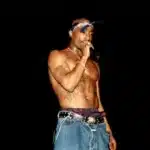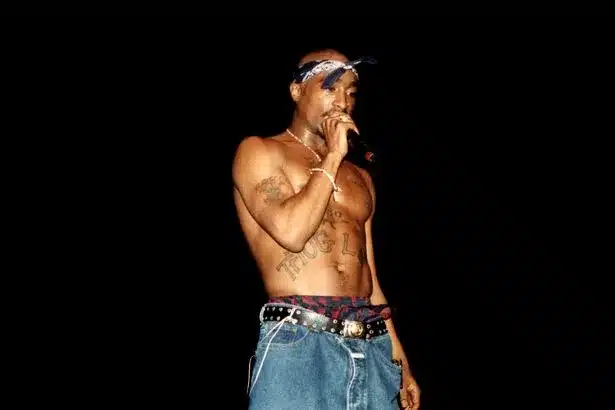
Hip hop legend Tupac Shakur, critically wounded in a 1996 Las Vegas drive-by shooting, declined to identify his attackers to a police officer while en route to the hospital. Former Las Vegas police officer Garry Dale testified that he asked the rapper for the names of those responsible as they traveled together in an ambulance. Shakur’s response, according to Dale, was a refusal to cooperate, stating something to the effect of, “No, no, we’ll take care of it.” Shakur died six days later from his injuries, leaving the identities of his assailants unknown to authorities at the time.
The Trial of Duane “Keffe D” Davis
This testimony emerged during the ongoing murder trial of Duane Davis, now 63, who is accused of orchestrating the fatal shooting of Tupac Shakur. Prosecutors contend that Davis organized the hit as an act of retribution. The trial, now in its second day, has featured graphic details and evidence, including autopsy photographs of the rapper.
Autopsy Evidence Presented
During the proceedings, jurors were shown disturbing images from Shakur’s post-mortem examination. Dr. Lisa Gavin, a forensic pathologist and medical examiner for Clark County, Nevada, provided expert testimony regarding the extent of Shakur’s injuries. She described how bullets entered his chest, causing significant damage to his lung, leading to its collapse and subsequent removal by doctors in a bid to save his life. Further bullet wounds impacted his intestines and other internal organs. Despite medical intervention, Shakur succumbed to his wounds. Dr. Gavin, serving as an expert witness due to the original examiner’s passing, detailed the four fatal bullet wounds.
Prosecution’s Case: Revenge for Assault
Prosecutors allege that the motive for the shooting stemmed from an earlier incident where Tupac Shakur and his associates allegedly assaulted Davis’s nephew, Orlando “Baby Lane” Anderson. The altercation occurred in Las Vegas around the time of a Mike Tyson boxing match. Following a confrontation in a casino lobby involving Anderson, Shakur and his entourage were targeted in the drive-by shooting approximately three hours later, near the Las Vegas Strip.
The prosecution, led by Deputy District Attorney Binu Palal, stated that while Davis did not fire the shots himself, he allegedly planned the retaliation. Palal informed the jury that Davis has admitted his involvement in interviews and his own memoir, “Compton Street Legend.” According to the prosecution, Davis harbored a long-standing animosity towards Shakur, which culminated in the planning of the shooting after the assault on his nephew.
Davis’s Alleged Confessions
Evidence presented by the prosecution includes Davis’s own statements. In a 2008 interview with federal investigators, Davis reportedly described providing a firearm to individuals in the back of a white Cadillac, which then fired upon Shakur’s vehicle. Further admissions were allegedly made in a 2009 interview with Las Vegas police and detailed in his 2019 memoir. Davis faces a potential life sentence if convicted of murder with the intent to promote or assist a criminal gang.
Defense Arguments
The defense, represented by attorney Michael Sanft, has characterized the prosecution’s narrative as “fiction.” Sanft argued that the significant passage of time since the crime presents a considerable challenge for the prosecution in recalling and presenting accurate evidence. He also suggested that law enforcement’s delay in charging Davis, despite his alleged admissions, indicated a lack of confidence in the accusations.
Past Investigations and Connections
The investigation into Shakur’s death involved piecing together information from informants, though securing official witness identification proved difficult. Notably, a former detective from the Los Angeles Police Department testified that Duane Davis had previously been considered a suspect in the 1997 murder of Tupac Shakur’s rival, The Notorious B.I.G., but was later cleared.
Shakur’s mother, Afeni Shakur, filed a wrongful death lawsuit against Orlando Anderson in 1997, which was reportedly settled out of court before Anderson’s own death in 1998. Anderson was killed in a separate shootout in Compton, California, an incident authorities stated was unrelated to the Shakur investigation.
Conclusion
The trial continues to unfold, with the prosecution aiming to establish Duane Davis’s role in the meticulously planned revenge plot that led to the tragic death of Tupac Shakur. The defense, meanwhile, contests the allegations, emphasizing the age of the case and the nature of the evidence presented. The testimony of Garry Dale, recalling Shakur’s final words, underscores the complex and ultimately unresolved circumstances surrounding the iconic rapper’s demise.