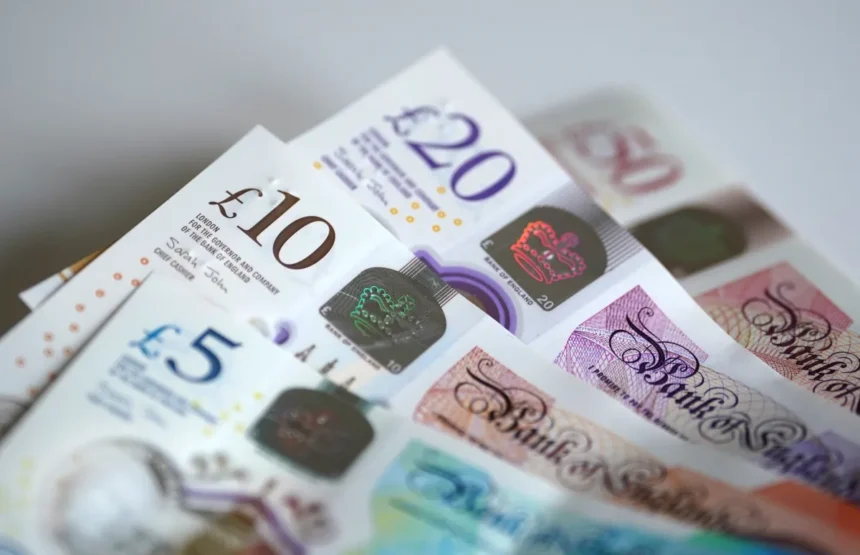
The United Kingdom’s inflation rate climbed to 2.9% in July, a noticeable uptick from the previous month’s 2.6%, according to official statistics. This rise, primarily fueled by surging energy bills, signals a potential period of increased costs for consumers. The Office for National Statistics (ONS) reported that the increase in the Consumer Prices Index (CPI) was largely attributed to a significant jump in gas prices, the most substantial rise in nearly four years, following adjustments to the energy price cap.
Understanding Inflation and Its Impact
Inflation is a key economic indicator that measures the rate at which the general level of prices for goods and services is rising, consequently eroding purchasing power. When inflation rises, the amount of money you have buys fewer goods and services than it did before. This can impact household budgets, savings, and investment returns.
The latest figures indicate a shift from the 2.6% inflation recorded for the 12 months leading up to June. This modest increase, while seemingly small, can have cumulative effects on the cost of living over time. The Bank of England has projected that inflation could exceed 3% later in the year, suggesting that households may face further financial pressures.
Key Drivers of the Inflationary Rise
Mike Hardie, deputy director for prices at the ONS, highlighted the primary factors contributing to the July inflation rate. The most significant driver was the sharp increase in gas prices. This surge was directly linked to a change in the energy price cap, which dictates the maximum amount suppliers can charge customers for energy. The ONS noted that this was the largest monthly increase in gas prices observed in almost four years.
Energy Price Cap Adjustments
Energy price caps are periodically reviewed and adjusted to reflect changes in wholesale energy costs. When wholesale prices rise, the cap is often increased, leading to higher bills for consumers. The recent adjustment appears to have had a direct and substantial impact on the headline inflation figure.
Other Contributing Factors
While energy costs were the dominant influence, other factors also contributed to the upward pressure on inflation:
- Furniture Prices: Typically, furniture prices see a more significant decrease during this time of year due to sales and seasonal discounting. However, the fall in July was less pronounced than usual, adding slightly to the overall price level.
- Clothing Prices: Similarly, clothing prices experienced a smaller-than-expected reduction. Reduced discounting in the retail sector meant that clothing items did not become as cheaper as they often do in the summer months, contributing a minor upward push to inflation.
What This Means for Your Money
The rise in inflation to 2.9% has several implications for individuals and households:
Reduced Purchasing Power
As prices rise, the real value of money decreases. This means that the same amount of money will buy fewer goods and services than before. For example, if your income remains the same but inflation is 2.9%, your ability to purchase everyday items has effectively decreased by that percentage.
Impact on Savings
Inflation can erode the value of savings. If the interest rate earned on savings accounts is lower than the inflation rate, the purchasing power of those savings diminishes over time. This can disincentivize saving and encourage spending.
Interest Rate Expectations
Central banks, like the Bank of England, often raise interest rates to combat high inflation. Higher interest rates make borrowing more expensive, which can cool down demand and, in theory, reduce inflationary pressures. The Bank of England’s expectation that inflation may rise above 3% could lead to further consideration of interest rate adjustments, impacting mortgage rates, loan costs, and credit card interest.
Cost of Living Pressures
For many households, particularly those on fixed incomes or with tight budgets, rising inflation means facing difficult choices. Increased costs for essentials like energy, food, and housing can strain finances, potentially leading to reduced discretionary spending or increased reliance on credit.
Future Outlook and Economic Context
The ONS data provides a snapshot of the economic conditions in July. The forecast from the Bank of England suggests that the inflationary pressures might not be temporary. The interplay between global energy markets, domestic economic policies, and consumer spending patterns will continue to shape the inflation trajectory in the coming months.
Economists will be closely monitoring several key areas:
- Energy Market Stability: Future movements in global energy prices will be crucial.
- Wage Growth: Whether wage growth keeps pace with inflation is vital for maintaining household purchasing power.
- Consumer Confidence: Consumer sentiment can influence spending habits, which in turn affect inflation.
- Monetary Policy: Decisions by the Bank of England regarding interest rates will play a significant role in managing inflation.
In conclusion, the rise in UK inflation to 2.9% in July, driven significantly by energy costs, underscores the ongoing challenges faced by consumers. While other factors contributed, the increase in gas prices following the energy price cap adjustment was the primary catalyst. The projected further rise in inflation suggests that households should prepare for continued cost pressures, with potential implications for savings, borrowing, and overall household budgets.