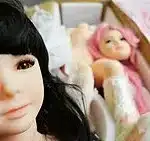
A legislative effort is underway in the United Kingdom to close a perceived loophole that allows for the possession and sale of child-like sexual abuse dolls. A draft bill, introduced by Liberal Democrat MP Munira Wilson, seeks to criminalize the manufacture, sale, and possession of these items in England and Wales. The proposed legislation aims to prevent sexual harm and disrupt behaviors that may indicate or facilitate a sexual interest in children.
The Legislative Gap and Proposed Solution
Currently, possessing a child-like sex doll is not explicitly illegal in the UK. However, importing such items can lead to prosecution under the Customs Consolidation Act of 1876. This existing legal framework was highlighted in 2017 when David Turner, a former school governor and church warden, was sentenced to 16 months in prison for importing a 3-foot child sex doll from China. Upon searching his residence, the National Crime Agency (NCA) discovered two additional dolls. Further investigation of his digital devices uncovered over 34,000 indecent images of children.
Munira Wilson’s private member’s bill, the Child-like Sexual Abuse Dolls (Offences) Bill, aims to rectify this situation. Ms. Wilson stated that her bill would elevate the possession of such dolls to the same legal standing as possessing indecent images of children. She expressed profound disgust and horror at the existence of these dolls but emphasized the necessity of confronting the issue directly without hesitation.
Concerns Raised by Child Protection Charities
Child protection organizations have voiced significant concerns regarding the impact of these dolls. The Lucy Faithfull Foundation, a prominent charity in this field, argues that child-like sex dolls serve to normalize and legitimize sexual interactions with children. Stuart Allardyce, the Director of the foundation, explained that while some might argue these dolls deter harm to real children, the reality is that their use can reinforce harmful fantasies and interactions with individuals who cannot provide consent.
Allardyce elaborated on the psychological implications, suggesting that the use of such dolls can solidify or even cultivate sexual interests in minors. He stressed that the inability of a child to consent is a fundamental ethical and legal boundary, and any object designed to simulate such an interaction is deeply problematic.
Provisions of the Draft Bill
Under the proposed Child-like Sexual Abuse Dolls (Offences) Bill, law enforcement would be empowered to seize these dolls. Individuals found guilty of possessing, selling, or manufacturing them could face imprisonment and be subject to monitoring. The bill is specifically drafted to encompass any doll that “resembles a child or any part of a child.” This broad definition is intended to prevent offenders from circumventing the law by assembling dolls from individual parts or by ordering custom components.
Ms. Wilson highlighted that some individuals are already attempting to evade current legal restrictions by purchasing doll parts and assembling them. The dolls currently available on the market are described as predominantly female, with some being as small as infant size. She noted that these items can be custom-made to specific requirements, further complicating enforcement efforts.
Government Response and Next Steps
A spokesperson for the Home Office has described the dolls as “vile” and affirmed that they should be banned and removed from sale. The government indicated that measures are already in place to halt their distribution and to protect children from predatory threats.
The Child-like Sexual Abuse Dolls (Offences) Bill is scheduled for its second reading in the House of Commons on September 4. For the bill to progress and potentially become law, it will require the support of the government. The introduction of this bill reflects a growing societal and political will to address what is considered a dangerous gap in child protection legislation.
Broader Implications for Child Protection
The debate surrounding child-like sex dolls touches upon complex issues related to online safety, the psychology of sexual offending, and the adequacy of existing laws. Child protection advocates emphasize that the normalization of sexual interest in children, even through inanimate objects, can lower inhibitions and potentially lead to real-world harm. The ability to customize these dolls, making them appear as specific ages or even as infants, raises particular alarm.
The proposed legislation seeks to send a clear message that the creation, distribution, and possession of items that simulate sexual interactions with children are unacceptable and will be met with severe legal consequences. By aligning the offense with the possession of child abuse imagery, lawmakers aim to underscore the gravity of the issue and provide law enforcement with more robust tools to combat it.
Conclusion
The push to ban child-like sex dolls in the UK represents a critical juncture in the ongoing efforts to safeguard children. While the existing legal framework addresses importation, the proposed bill aims to create a comprehensive ban on possession and sale, closing a loophole that has raised serious concerns among child protection experts and lawmakers. The upcoming parliamentary debate will be crucial in determining whether these dangerous items will be outlawed, thereby strengthening protections against potential child sexual abuse.