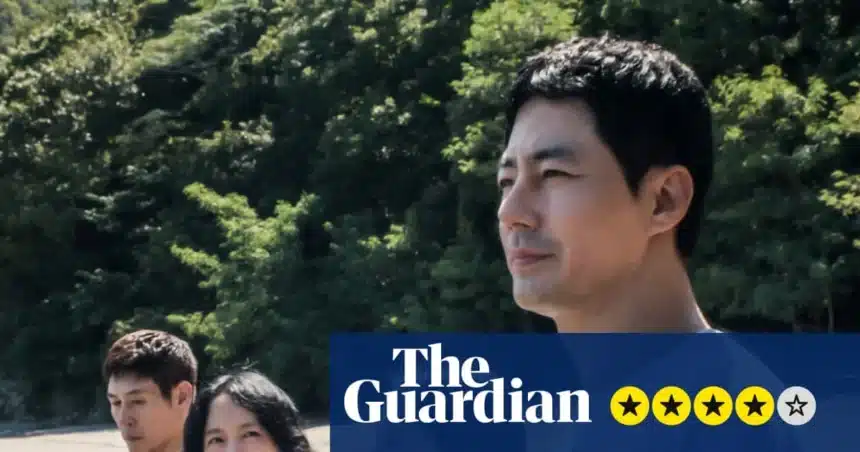
Director Lee Chang-dong’s latest film, Possible Love, marks his return to feature filmmaking after an eight-year hiatus. This meticulously crafted drama offers a profound exploration of exploitation, friendship, and the complex dynamics between two couples from vastly different socioeconomic backgrounds. The film is characterized by its intelligent storytelling, superb performances, and a novelistic depth that invites audiences to ponder its intricate themes.
A Tale of Two Couples
At the heart of Possible Love are two couples whose lives intersect with unexpected consequences. On one hand, we meet Mi-ok (Jeon Do-yeon) and Ho-seok (Sul Kyung-gu), a working-class couple grappling with profound unhappiness. Ho-seok, in particular, is consumed by anger and depression, exacerbated by a drinking problem stemming from the devastating aftermath of a factory strike. His struggles are compounded by the recent suicide of a colleague, an event that brings the couple into contact with a more affluent pair.
This second couple consists of Ye-ji (Cho Yeo-jeong), a stylish documentary filmmaker focused on social justice issues, and her wealthy hedge fund manager husband, Sang-woo (Zo In-sung). Ye-ji is driven to create issue-based documentaries, though her independent filmmaking is clearly enabled by her husband’s financial success. The film subtly suggests Sang-woo may have had a hand in the factory’s closure, the very event that crippled Ho-seok’s life.
The Art of ‘Method Acting’ in Relationships
Ye-ji, ever the astute observer, recognizes the potential for a compelling narrative in Mi-ok and Ho-seok’s plight. With a disarming blend of ruthlessness and apparent sincerity, she initiates a campaign to befriend the struggling couple. This outreach includes inviting them to upscale restaurants and even a lavish vacation at Sang-woo’s family estate, complete with a private beach. Ye-ji’s approach is intense; she even shares drinks with Mi-ok, a tactic Sang-woo wryly labels her “method acting” in documentary filmmaking. Ye-ji defends her actions, insisting, “I’m trying to love these people,” a statement that underscores the film’s central ambiguity.
The filmmaker’s camera becomes an intrusive presence, delving into every aspect of Mi-ok and Ho-seok’s lives. Mi-ok finds a sense of catharsis in sharing their experiences, feeling a degree of ownership over their difficult past. Ho-seok, however, remains far more reserved. His reluctance stems not only from the painful nature of his memories but also from the inherent discomfort of comparing his modest existence to the opulent lives of Ye-ji and Sang-woo, a comparison he likely perceives as both painful and destructive.
Subtlety and Ambiguity
Director Lee Chang-dong navigates the complex relationship between the two couples with remarkable neutrality. He refrains from immediately capitalizing on the satirical potential of Ye-ji and Sang-woo’s seemingly predatory friendship. The film deliberately avoids the predictable trajectory of a documentary exposing exploitation and turning its subjects into unwilling celebrities. Instead, Possible Love opts for a far more subtle and nuanced exploration.
The film’s title itself is a powerful signal of its hesitant and conditional nature. It suggests the possibility of rekindling the love between Mi-ok and Ho-seok. It also raises the question of whether Ye-ji’s proclaimed desire to “love” them can evolve into genuine affection. The overarching theme is that love, in its various forms, remains a possibility for the future, rather than a present certainty.
Flashbacks and Character Development
The film is enriched by superb flashback sequences that offer glimpses into the early lives of Mi-ok and Ho-seok. These moments provide crucial context and emotional depth, illuminating the foundations of their relationship and the circumstances that shaped them. While these flashbacks are phased out relatively early, their impact resonates throughout the narrative, highlighting the potential for deeper exploration of their shared history and its connection to their present struggles.
The performances are uniformly excellent. Jeon Do-yeon and Sul Kyung-gu deliver powerful portrayals of a couple worn down by hardship, conveying a palpable sense of their shared history and unspoken resentments. Cho Yeo-jeong is captivating as the ambitious filmmaker, skillfully balancing Ye-ji’s professional drive with her complex personal motivations. Zo In-sung provides a compelling counterpoint as the wealthy husband, hinting at a deeper, perhaps more calculating, nature beneath his polished exterior.
A Bittersweet Conclusion
While Possible Love may occasionally feel a touch contrived or self-aware, particularly in its handling of irony and comedy, its overall execution is masterful. The film is imbued with a fluency and verve that captivate the viewer. It is a somber, bittersweet, and elegant cinematic work that trusts its audience’s intelligence, offering a richly detailed study of human connection, societal divides, and the enduring, yet often fragile, possibility of love.