Many people find themselves living by the mantra, “I’ll finally be happy when…” This sentiment often fuels a relentless pursuit of self-improvement and life optimization, with the promise of future contentment driving present-day sacrifices. However, for some, this very process can paradoxically hinder the ability to enjoy life, even when the envisioned future arrives.
The Allure of Future Happiness
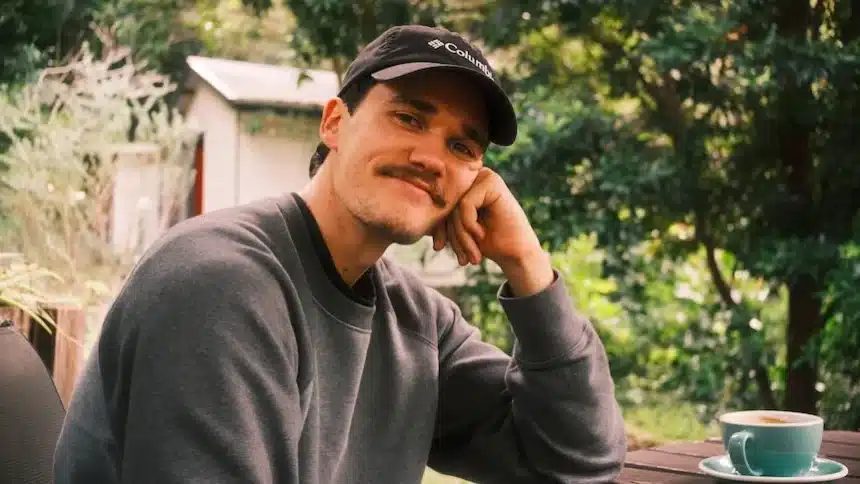
In his twenties, Jack Waters, a writer and former journalist, frequently felt this disconnect. He describes a pervasive lack of excitement and a tendency to prefer staying in bed over facing the day. His underlying belief was that current suffering was a necessary precursor to a better future. Now, having recently turned 30, the future he diligently worked towards has materialized. Yet, he finds himself struggling to decelerate and appreciate the life he meticulously constructed.
Waters’ journey into self-improvement began in his early twenties. Immersed in self-help literature, podcasts, and online videos, his focus was singular: setting himself up for future success. This often meant prioritizing long-term goals over immediate gratification. He recounts instances of trying to memorize names for networking purposes, only to feel awkward in subsequent encounters, highlighting the gap between his efforts and his actual social ease.
Optimizing Every Facet of Life
The core of Waters’ experience was an obsession with optimizing his life. Every habit, hobby, and financial decision was geared towards benefiting a future version of himself. This translated into significant financial discipline, with nearly every earned dollar being saved and invested rather than spent on immediate pleasures. His physical health also became a target for optimization, involving rigorous muscle-building efforts that included force-feeding to gain weight, driven by a desire to be happy with his appearance.
A tangible manifestation of this mindset was a habit tracker. Waters meticulously logged activities like meditation, journaling, cold showers, and even repeated attempts to learn French. He describes rushing through reading material, enduring meditations with an eye on the clock, and writing superficial journal entries, all to check boxes and create an illusion of progress. This system, while seemingly productive, masked an underlying dissatisfaction and a frantic pace.
The Unintended Consequences of Future-Focus
While the optimization efforts yielded tangible benefits—financial security, improved health, and increased confidence—they came at a significant cost. The constant focus on future goals created an unhealthy mindset, making it increasingly difficult to appreciate the present. Waters realized he had trained himself to perpetually look ahead, never fully engaging with or enjoying what he already possessed.
This relentless pursuit, he admits, was something he was aware of at the time. He understood he was deferring happiness and well-being, implicitly trusting that a future iteration of himself would be better equipped to handle the emotional and mental toll. This belief, however, proved to be a flawed assumption.
A Shift Towards Present-Day Enjoyment
Reaching the milestone of 30 marked a significant turning point for Waters. He recognized that continuing on the path of constant self-optimization would lead to a life lived largely in the future, missing out on the richness of the present moment. This realization prompted a conscious decision to recalibrate his priorities.
His new objective is to cultivate genuine comfort in engaging in activities purely for the enjoyment of his present self. The pressure to continually “set himself up” or sacrifice current happiness for an idealized future has diminished. He has learned through repeated experience that the anticipated improvements of the “next thing” are often less fulfilling in reality than they are in imagination.
Finding Balance in Life Optimization
Waters’ experience serves as a cautionary tale about the potential pitfalls of extreme life optimization. While self-improvement and planning for the future are valuable, an overemphasis can lead to a neglect of present well-being and an inability to savor life’s current joys. The key, it seems, lies in finding a sustainable balance—one that allows for future aspirations without sacrificing the happiness and fulfillment available today.
This shift involves recognizing that true contentment isn’t solely a destination to be reached after a period of striving, but rather a state that can be cultivated and experienced in the here and now. It encourages embracing activities that bring joy without demanding future rewards and appreciating the progress made without letting it overshadow the present moment.
Ultimately, the pursuit of happiness is not about achieving a perfect, optimized future self, but about learning to live fully and appreciate the journey, with all its imperfections, in the present.