Understanding the history and progress of women’s rights is crucial for appreciating the present and shaping the future. This journey, marked by the persistent efforts of countless individuals, has led to significant advancements in equality, though the pursuit of full parity continues. To gauge one’s grasp of this vital social justice movement, a knowledge assessment can be highly beneficial, whether you are a seasoned advocate or just beginning to explore the topic.
The Evolution of Women’s Rights
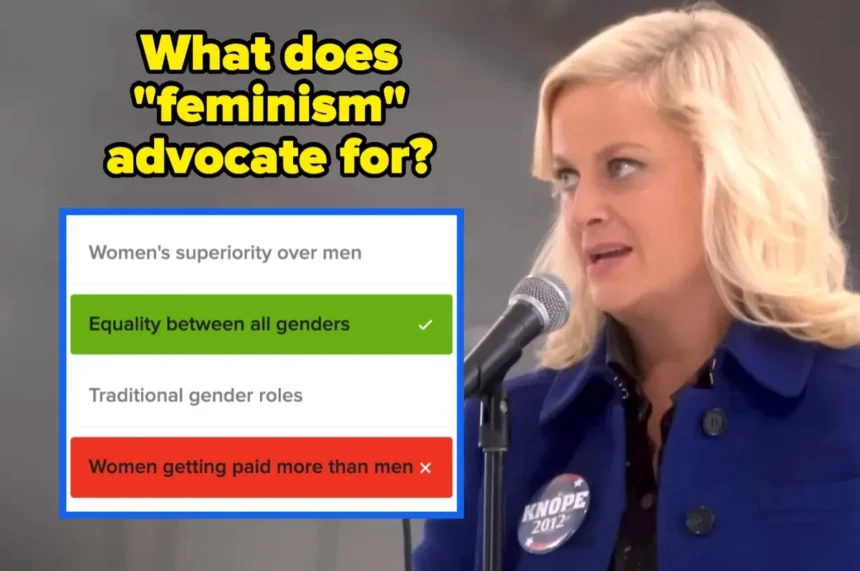
The concept of feminism, often misunderstood, is fundamentally about advocating for the equal rights, power, and opportunities for all individuals, regardless of gender. It is not a declaration of female superiority but a call for a level playing field. The progress made thus far is a testament to the dedication and sacrifices of women and allies throughout history. Their work has laid the groundwork for the current landscape of gender equality, empowering subsequent generations to build upon these foundations.
The ongoing struggle for equality necessitates continuous engagement and education. Each generation inherits the responsibility to advance the cause, ensuring that the future holds even greater promise for fairness and inclusion. This commitment begins with a thorough understanding of the historical context, the key figures, and the pivotal moments that have defined the women’s rights movement.
Assessing Your Understanding of Women’s Rights History
To foster a deeper appreciation for the women’s rights movement, testing one’s knowledge can be an engaging and informative exercise. Such an assessment can cover various aspects, including:
- Key Historical Milestones: Understanding significant events such as the Seneca Falls Convention, the fight for suffrage, and landmark legislative changes.
- Influential Figures: Recognizing the contributions of prominent activists, writers, and leaders who championed women’s causes.
- Core Principles of Feminism: Grasping the fundamental tenets of equality, equity, and social justice that underpin the movement.
- Contemporary Issues: Awareness of ongoing challenges and advancements in gender equality in various spheres of life.
Engaging with these topics through quizzes or study can illuminate the complexities and triumphs of the movement. It allows individuals to connect with the past, understand the present, and contribute more effectively to future progress.
The Importance of Continuous Learning
The journey toward gender equality is dynamic and ongoing. New challenges arise, and societal norms continue to evolve. Therefore, continuous learning and critical engagement with the issues are paramount. Staying informed about current events, historical precedents, and the diverse perspectives within the women’s rights movement is essential for informed participation.
Educating oneself about the struggles and achievements of those who came before provides a vital perspective. It highlights the hard-won nature of current rights and freedoms and underscores the importance of vigilance in protecting and expanding them. This knowledge empowers individuals to become active participants in advocating for a more equitable world.
Looking Ahead: The Future of Women’s Rights
The legacy of the women’s rights movement is not static; it is a living, evolving force. The efforts of past generations have created opportunities, but the work is far from complete. Future progress depends on the continued commitment of individuals to champion equality in their communities and beyond. This involves fostering inclusive environments, challenging discriminatory practices, and supporting initiatives that promote gender equity.
By understanding the historical trajectory and the core principles of the movement, individuals can better contribute to its future. This knowledge serves as a foundation for informed action, encouraging a proactive approach to dismantling barriers and building a society where all individuals can thrive, irrespective of gender. The ongoing dialogue and collective effort are key to realizing a truly equitable future.