The Origins of Groundhog Day
This annual tradition traces its roots to the Pennsylvania Dutch communities, descendants of German immigrants who settled in North America. Their folklore held that a groundhog emerging on February 2 could predict seasonal patterns through its shadow observation. Similar animal-based weather traditions exist globally, but this Pennsylvania custom has become the most widely recognized.
America’s Most Famous Weather Rodent
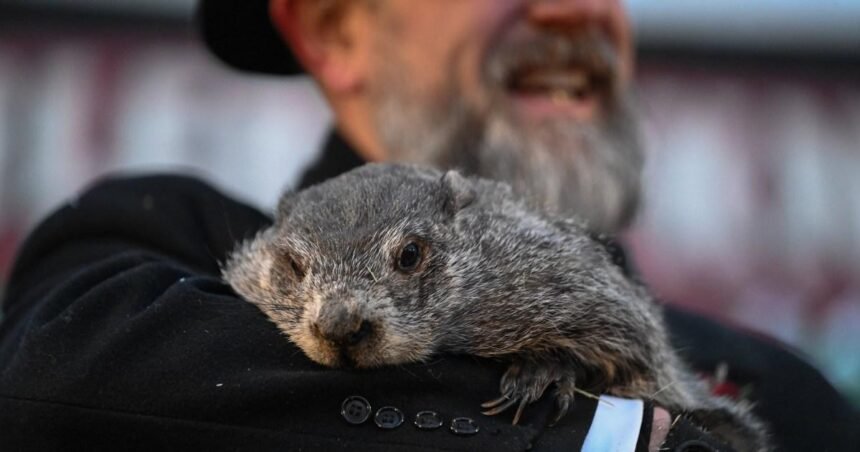
The ceremonial focus centers on Punxsutawney Phil, a groundhog residing in the Pennsylvania town bearing his name. According to local tradition, Phil has delivered weather prognostication for approximately 140 years through a unique communication method called ‘Groundhogese.’ Each February 2, the rodent emerges before dawn at Gobbler’s Knob while wearing handlers interpret his behavior.
2026 Weather Prediction
Official handlers confirmed Phil saw his shadow during this year’s ceremony, interpreting this as forecasting six additional weeks of winter conditions. Meteorological records show this outcome represents Phil’s most frequent prediction throughout the event’s history. When no shadow appears, traditions indicate an early spring arrival.
Cultural Impact Beyond Meteorology
The 1993 film Groundhog Day starring Bill Murray significantly boosted international awareness of this tradition. The comedy’s plot about reliving the same day repeatedly created new cultural associations with February 2 beyond weather folklore. Many communities now celebrate the date with events honoring both the rodent predictions and the film’s legacy.