Apple Ends Software Rollback Options for Multiple iOS Versions
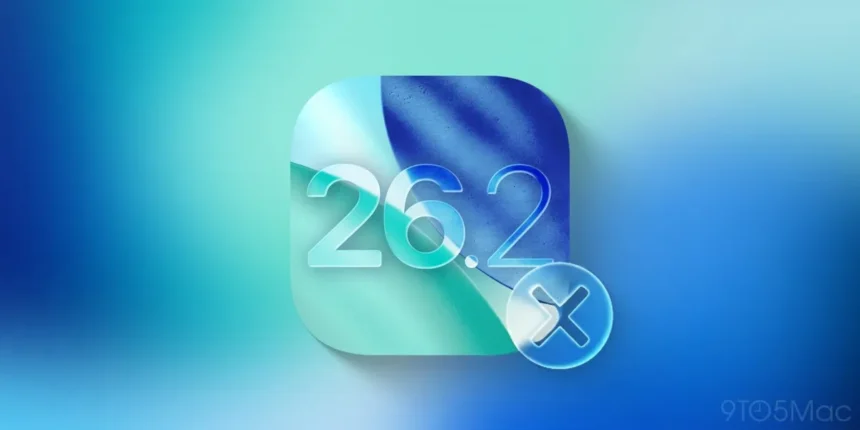
Apple has officially ceased code-signing for iOS 26.2, effectively preventing device downgrades from the current iOS 26.2.1 release. This move follows the company’s established protocol of retiring older iOS versions shortly after deploying security updates or stability improvements.
What This Means for iPhone Users
The termination of signing privileges means users running iOS 26.2.1 – released last week – can no longer revert to iOS 26.2 or any earlier system versions. Apple maintains tight control over iOS version availability through this signing mechanism, which typically remains active for limited periods following new releases.
Recent system documentation indicates iOS 26.2.1 introduced second-generation AirTag compatibility alongside unspecified bug resolutions. Notably absent were references to Common Vulnerabilities and Exposures (CVE) identifiers, which typically accompany security-related patches.
Expanded Version Retirement
Alongside iOS 26.2, multiple legacy operating systems have reached end-of-signing status according to developer resources:
- iOS 12.5.7 (superseded by iOS 12.5.8)
- iOS 15.8.5 (replaced by iOS 15.8.6)
- iOS 16.7.12 (updated to iOS 16.7.14)
- iOS 18.7.3 (succeeded by iOS 18.7.4)
This systematic retirement of older builds aligns with Apple’s security protocols, ensuring users maintain current protection against emerging vulnerabilities. Device administrators are encouraged to maintain updated systems, as previous versions become permanently inaccessible shortly after replacement releases.