Mary Houston Bluebird Trail Overview
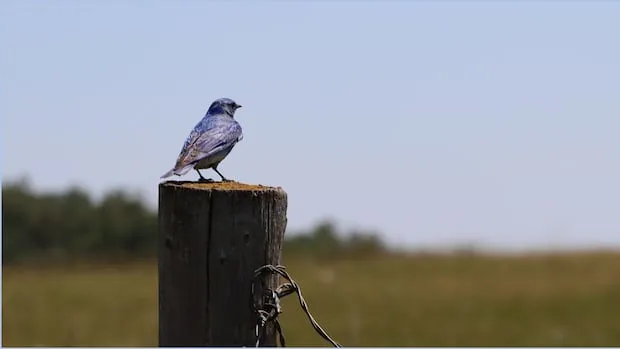
Every spring, residents from Saskatoon head south to join the Mary Houston Bluebird Trail as citizen scientists. Established in 1969, this 80-kilometer trail stretches from just south of Langham to just north of Hanley in Saskatchewan. Nest boxes appear every 400 meters along fences, totaling 250 units that mimic hollow trees for migrating birds.
Volunteers monitor mountain bluebirds and tree swallows, tracking nest productivity, fledgling numbers, and long-term survivorship. This data reveals population trends over decades. Bluebird numbers crashed until the 1950s from habitat loss and pesticides, but dedicated conservation reversed the decline. These birds live up to eight years on average and migrate over 3,000 kilometers southward each year.
Guided by Expert Leadership
Biologist and retired environmental educator Greg Fenty coordinates the project for the Saskatoon Young Naturalists through the Saskatoon Nature Society. “The Bluebird Trail consists of nest boxes along rural roads, monitored for bluebirds and tree swallows to assess productivity, fledgling counts, and survivorship,” Fenty explains.
In early spring, the group hosts workshops where participants build wooden nest boxes to replace worn ones before nesting season. By late May, monitoring and banding begin under Fenty’s supervision. He holds a scientific permit from the Canadian Wildlife Service for banding. Volunteers learn to handle birds safely, distinguish males from females, and identify species by nest materials, egg colors, and appearances.
“Kids check eggs in each box and identify species by nest material, egg color, or the bird itself,” Fenty notes. “We’re tracking egg counts and nest contents.”
Family Bonding and Lifelong Inspiration
The trail draws families for hands-on learning. Adults reconnect with nature alongside children, who observe bird life cycles from egg to fledging.
Pi Srithammawut, who moved to Canada in 2024 with his son Pacer, joined to explore their new environment. “How do birds hatch? How do they care for families?” he asks. “I want Pacer to experience nature, our fellow earth dwellers, beyond just humans.”
Betty McBride volunteers with her grandchildren. “They love holding baby birds, and it enriches their lives,” she says. “We enjoy time outdoors instead of indoors. My grandson spots birds better than I do now—it’s developed his interest hugely.”
Maycie McWillie, inspired as a child on the trail, pursued biology. “It sparked my passion for birds and naturalism, launching my career,” she recalls. “Hands-on participation shows you can actively contribute, pushing toward fieldwork.”
Lasting Impact on Wildlife
Banded birds often return to the same boxes yearly, confirming the trail’s success. Fenty emphasizes blending fun with science: “Many outdoor programs exist, but this maintains scientific rigor, teaching biodiversity hands-on.”
The initiative fosters conservation awareness while aiding bird recovery through community involvement.