A popular petition demands the UK Government raise the personal tax allowance from £12,570 to £20,000, leaving just seven days to hit 100,000 signatures for a parliamentary debate.
Petition Details and Support
Launched by Shannon Keene on the official UK Government petitions website, the campaign titled ‘Raise the income tax personal allowance from £12,570 to £20,000’ closes on Saturday, February 28, 2026. As of Saturday afternoon, it has gathered 73,106 signatures. Reaching 100,000 would trigger consideration for debate in Parliament.
The petition highlights rising living costs, stating: “This would help with increasing rent, mortgages, Council tax, and Gas and Electric bills. Some families can’t afford to go back to work after children due to childcare costs wiping their whole income! We think that we are currently paying ridiculous amounts of tax, and that minimum wage isn’t even enough to support an average family. We believe that this would lead to a massive increase on people willing to look for work, instead of people not wanting to, due to it being too expensive to now live.”
Current Income Tax Structure
Workers currently earn up to £12,570 tax-free each year. Income above this faces 20% tax up to £50,270, 40% thereafter until £125,140, and 45% on earnings beyond that point.
Recent Budget Decisions
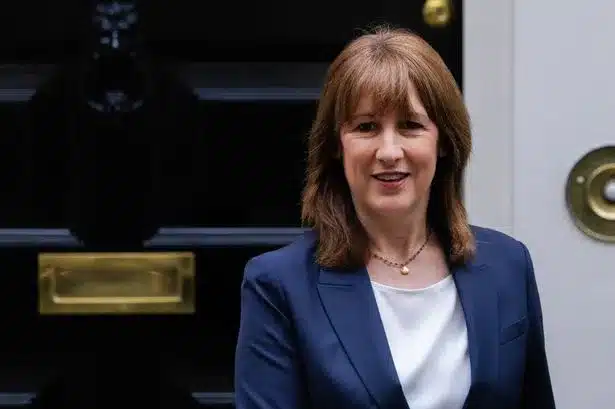
Chancellor Rachel Reeves extended the income tax threshold freeze in the November 2025 Budget, pushing it from 2028 to 2031. This policy keeps bands static amid wage growth, drawing more earners into tax-paying or higher brackets to increase revenue.
Government Response
After surpassing 10,000 signatures, the Government issued a formal reply before the 2025 Budget. An HM Treasury spokesperson stated: “The Government is committed to keeping taxes for working people as low as possible while investing in public services and not taking risks with the economy. The Government currently has no plans to increase the Personal Allowance to £20,000.”
The spokesperson added: “Increasing the Personal Allowance to £20,000 would come at a significant fiscal cost of more than £50 billion per annum. This would reduce tax receipts substantially, decreasing funds available for the UK’s hospitals, schools, and other essential public services that we all rely on. A £50 billion cut in public services is equivalent to slashing roughly a quarter of the NHS Budget, or around 80% of defence spending.”
Support for low earners includes Low Pay Commission reviews factoring in living costs for April 2025 minimum wage rates. Families benefit from 15 hours of free childcare for 3- and 4-year-olds, with 30 hours available for eligible working parents of children aged 9 months and older.
All tax policies remain under review, with the Chancellor set to outline changes in the November 26 Budget.