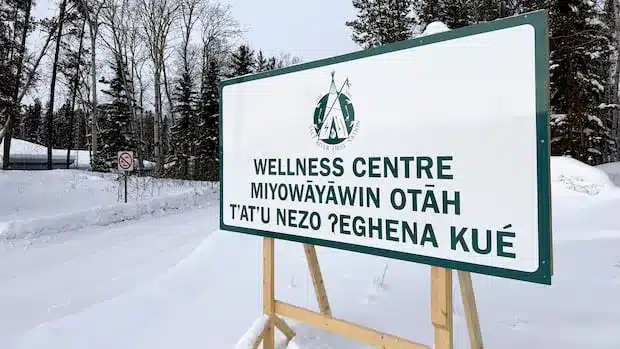
Salt River First Nation in the Northwest Territories repurposes a former men’s correctional facility into a vibrant wellness center, fostering hope and recovery. Opened on November 3, the space now hosts sharing circles, cultural workshops, and land-based programs drawing from Indigenous traditions and personal experiences. This initiative marks the start of a community-led drive to enhance wellness.
Tradition Over Addiction Workshop Draws Crowds
The center recently welcomed Indigenous hip-hop artist Paul Sawan, known as K.A.S.P.—Keeping Alive Stories for the People—for a three-day “tradition over addiction” workshop. Participants explore reclaiming their lives, breaking harmful cycles, and rebuilding through culture, sobriety, and actionable strategies, according to K.A.S.P.
Sober since 2009, K.A.S.P. channels his journey into supporting others, emphasizing self-worth and responsibility as healing foundations. He highlights persistent challenges in Indigenous communities, including drugs, alcohol, gangs, and lateral violence stemming from residential schools.
“Your story matters, and who you are makes a difference. You have greatness in you if you decide to embrace it,” K.A.S.P. stated. “It all starts with sobriety. It all starts with culture. It all starts with tradition.”
Touring his workshops for years, K.A.S.P. observes a positive shift: younger and older generations embrace sobriety and cultural reconnection. “Just to see people getting sober, especially our young people, that’s huge,” he said. “And it makes my heart smile. It just shows that I’m living my purpose.”
The most impactful moments occur when elders, adults, and youth connect emotionally and spiritually, bridging generations.
Men’s Health Coordinator Advocates for Safe Spaces
Chris Waniandy, men’s health and wellness coordinator at Salt River and sober for six years, views the workshop as vital to broader efforts. Holding a diploma in addictions and community health, he prioritizes accessible, local supports grounded in lived experience.
“People tend to want to talk to people with lived experience,” Waniandy said. “[I’ve] lost way too many people to addiction, suicide. And you know, if I can help one person, that’s more than enough.”
Waniandy identifies a key gap: dedicated support for men. Stigma often silences discussions on trauma, addiction, and grief, leaving men isolated. “I want people to know that they’re cared for, they’re seen, they’re heard,” he emphasized. “Don’t be scared to open up. Don’t be afraid to ask for help. You’re not a burden. Just reach out before it’s too late.”
Wellness Coordinator Leads Cultural Restoration
Mavis Moberly, wellness coordinator with over 30 years in social services and community healing, oversees the center. It offers stability for those returning from treatment or awaiting services, aiding with housing, resources, and cultural reconnection.
The programs address intergenerational disruptions from residential schools, focusing on restoring teachings and personal choice. “I missed out on a lot of teachings I would have had if I’d been raised with my people,” Moberly shared. “How can we teach our children what we didn’t have? I work with people to figure out what’s missing and how culture can help fill those gaps.”