The Australian Broadcasting Corporation (ABC) has strongly contested the findings of a media regulator that a prominent investigative program, Four Corners, failed to meet impartiality standards. The Australian Communications and Media Authority (ACMA) concluded that a specific episode, “Sacrifice,” which aired in March 2025 and was fronted by reporter Mark Willacy, presented an unbalanced view of the Australian War Memorial’s redevelopment project.
Regulator’s Findings on “Sacrifice” Episode
According to the ACMA’s statement released on Thursday morning, the “Sacrifice” episode was found to have shortcomings in several key areas. The investigation highlighted issues with the program’s analysis of the consultation process surrounding the redevelopment, the selection and treatment of interviewees, and its handling of findings from an Australian National Audit Office (ANAO) report. The ACMA stated that the program disproportionately focused on the deficiencies identified by the ANAO, thereby skewing the overall narrative.
ACMA chair Nerida O’Loughlin elaborated on the watchdog’s decision, noting that the “cumulative effect of the program’s framing, its use of strong and emotive language and its selection and differing treatment of interviewees unduly favoured critics of the redevelopment.” She emphasized that the Four Corners program needed to comply with the ABC’s code of practice regarding due impartiality.
ABC’s Strong Rebuttal and Concerns for Journalism
In response, ABC’s managing director, Hugh Marks, vehemently rejected the ACMA’s conclusions. Marks criticized the regulator’s interpretation of the ABC’s code of practice, arguing that such a stance could have detrimental consequences for the future of investigative journalism. “If this interpretation of the code is applied, including more widely across the industry, it could have a chilling effect on the body of investigative journalism that delivers the most important stories that serve the public interest,” Marks stated.
An ABC spokesperson echoed these sentiments, characterizing the ACMA’s finding as an “unworkable interpretation of impartiality” that imposes a “false balance” on reporting that serves the public interest. The spokesperson further argued that the ACMA “fails to understand the difference between an explanatory interview and an accountability interview, and the obligation on public officials to be held to appropriate scrutiny.”
The broadcaster affirmed its full support for Mark Willacy, the Four Corners team, and the production processes employed for the program. The ABC confirmed that the “Sacrifice” episode would remain accessible online in its entirety.
Background of the Complaint and Program Content
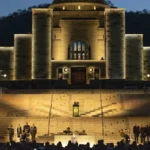
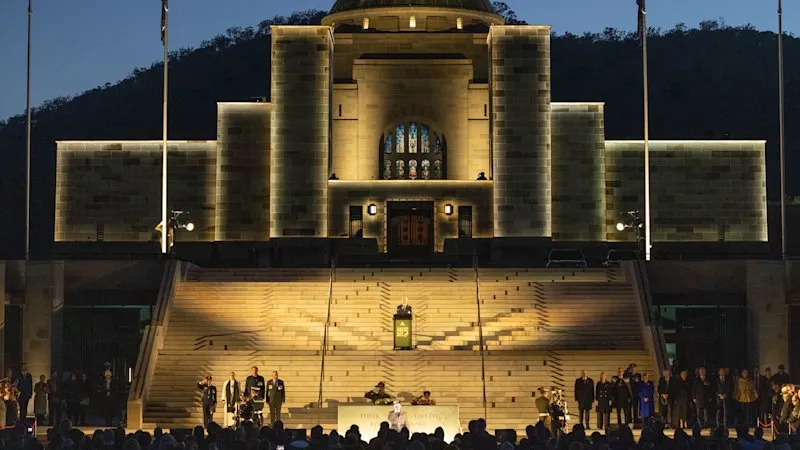
The complaint that triggered the ACMA investigation was lodged by Kim Beazley, the chairman of the Australian War Memorial. Beazley also holds positions as a board director for defence company Luerssen and an advisor to Lockheed Martin. The Four Corners program had delved into the controversial $500 million-plus redevelopment of the War Memorial, a project funded by the Scott Morrison government. The program reported allegations from interviewees who suggested the renovations were transforming the memorial into a “theme park for war” and raised concerns about the oversight of the funding process, which was announced before a comprehensive business case was finalized.
Furthermore, the episode highlighted criticism directed at the War Memorial for accepting financial contributions from major international weapons manufacturers, including Lockheed Martin and BAE Systems. The ACMA’s investigation, however, found that the program’s presentation of the consultation process may have confused viewers regarding the accuracy of claims made by the Memorial’s director, Matt Anderson.
Previous Findings and Broader Context
This is not the first time Four Corners has faced scrutiny from the ACMA. The regulator noted that this marks the second instance within the year where the program has been found in breach of its code of practice, following a previous finding related to the “Water Grab” episode in 2024. Despite the ACMA’s findings, the regulator does not possess the authority to compel the ABC to remove the episode or retract any part of its content.
Adding to the context of scrutiny, the ABC’s internal Ombudsman also received three complaints concerning the “Sacrifice” program in 2025. However, the Ombudsman’s independent review concluded that no breaches of the ABC’s own standards had occurred. The ACMA also addressed a separate complaint regarding the program’s accuracy, ultimately finding no breach of the public broadcaster’s code in that specific regard.
This situation also follows a previous legal challenge involving a Four Corners program presented by Mark Willacy. In 2023, a judge ruled that a program concerning Heston Russell, a former Commando, defamed him, leading to the ABC being ordered to pay $390,000 in damages.
Implications for Public Interest Journalism
The dispute between the ABC and the ACMA underscores a broader tension between regulatory oversight and the practice of investigative journalism. The ABC’s stance suggests that the ACMA’s interpretation of impartiality could stifle critical reporting and hinder the ability of journalists to hold powerful institutions and individuals accountable. The broadcaster maintains that its reporting on the War Memorial redevelopment was a crucial exercise in public interest journalism, aiming to inform the public about significant government spending and potential conflicts of interest.
The differing interpretations of impartiality and the role of public broadcasters in scrutinizing government actions and funding remain a significant point of discussion within the media landscape. The ABC’s commitment to keeping the “Sacrifice” episode online signals its determination to stand by its journalistic output and its interpretation of its public mandate.