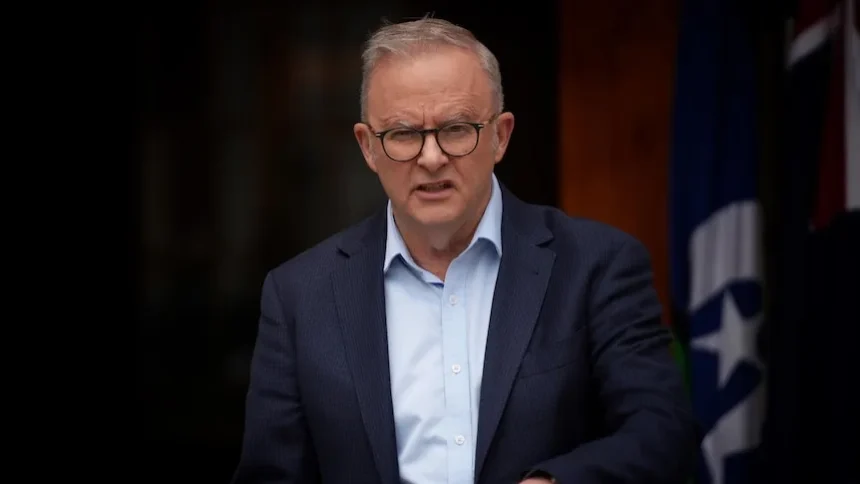
Prime Minister Anthony Albanese expresses optimism that the recent U.S. strike on Iran has met its key objectives, paving the way for conflict resolution. Speaking on Hobart radio, Albanese states, “I can see this ending.” He highlights the neutralization of Iran’s nuclear weapons potential as a critical achievement.
Challenges in U.S.-Iran Tensions
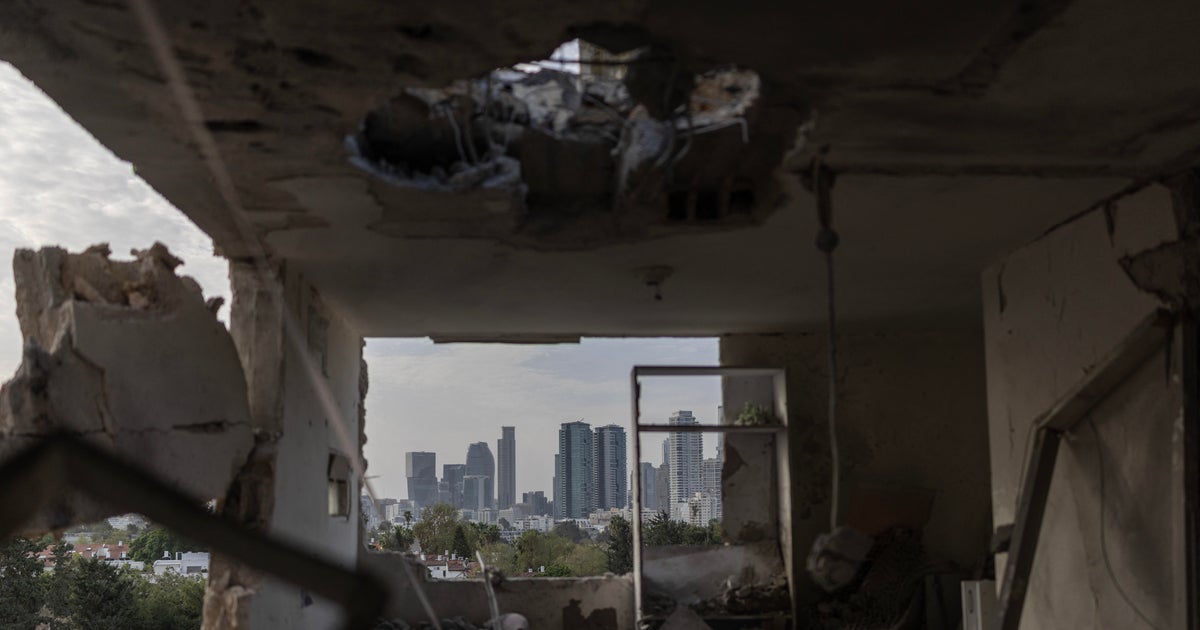
Albanese has not spoken directly with U.S. President Donald Trump since their March 10 phone call. Australia’s support for the U.S. and Israel actions hinged on eliminating Iran’s nuclear threat, though Trump’s goals extend further. Recent attacks have damaged Australian facilities, and Iran orders evacuations from gas fields in several nations. Low-cost drones enable Iran to sustain operations, while Trump urges greater Australian involvement.
Fuel Crisis Grips Australia
The conflict disrupts oil supplies, driving petrol prices higher and sparking panic buying reminiscent of pandemic shortages. Opposition leaders criticize inadequate preparation amid heavy reliance on imports. Tankers arrive, strategic reserves release stocks, and a fuel coordinator directs supplies to needy areas. Rationing remains off the table for now, though no clear thresholds exist if supplies falter.
Energy officials discourage stockpiling, labeling it un-Australian, but households face rising costs. Governments model prolonged war scenarios, projecting inflation above 5%, elevated interest rates, and creeping unemployment. Oil prices may not normalize until year-end in optimistic forecasts, or longer in others.
Treasurer Chalmers Targets Budget Savings
Treasurer Jim Chalmers prepares a May budget emphasizing fiscal restraint over relief measures. Substantial savings target the 50% capital gains tax discount, which primarily benefits top earners—the top 10% claim 83% of benefits, and the top 1% (over $375,000 income) report average gains of $851,000.
Chalmers flags hard choices amid petrol spikes and rate hikes squeezing families. The Middle East conflict dominates planning, akin to the 2008 financial crisis or COVID-19. “The conflict in the Middle East is a stark reminder of how quickly the global economic outlook can change,” Chalmers states. Treasury explores scenarios, including a drastic one under review.