[ad_1]
Andrea Powell

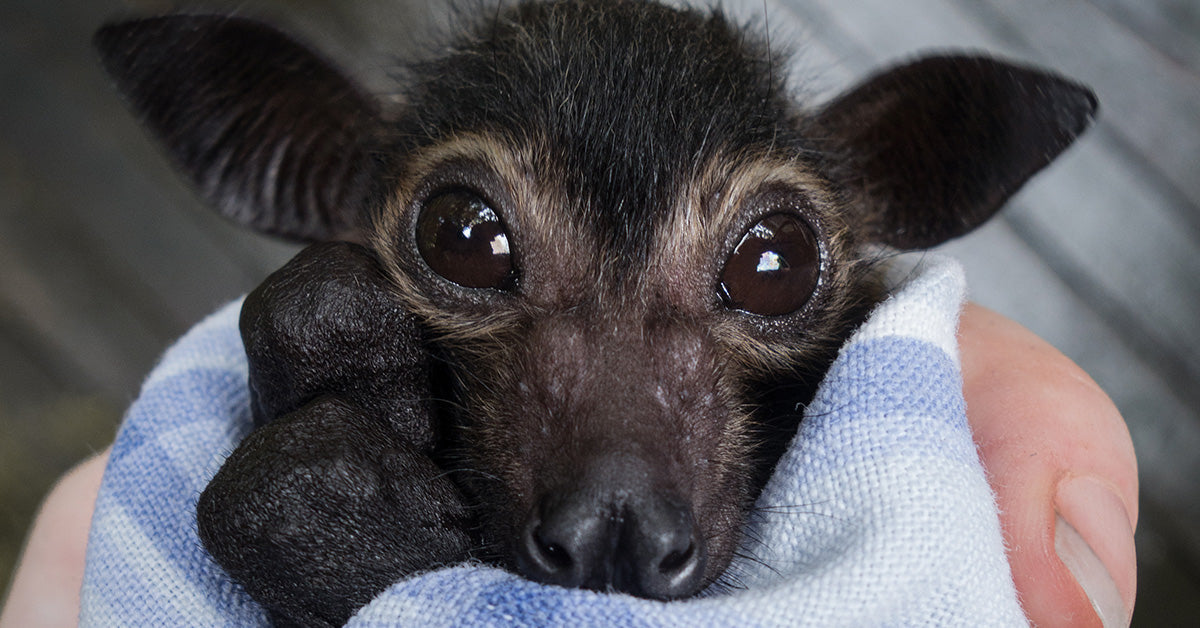
Firefighters proceed to battle bushfires in Australia as temperatures proceed to soar above 100°F. Over a million acres has been burned because the heatwave continues to fan the fires. These excessive circumstances are endangering lives of individuals and wildlife, together with weak grey-headed flying foxes.


Flying foxes stay in massive camps and are very delicate to warmth. The acute temperatures may cause deadly warmth stress in a matter of hours, wiping out whole colonies.

Sadly, the continued heatwave has already brought on record-breaking loss with hundreds of bats reported lifeless throughout south-east Australia.

Picture:Doug Gimesy
Wildlife volunteers rescuing the surviving adults and pups (child bats) informed The Guardian, “These orphans will slowly die of warmth stress, hunger or predation in the event that they aren’t discovered. We additionally discovered numerous adults who couldn’t face up to the warmth in areas of the colonies that had been hotter – like bushes with much less foliage and shade protection, and the baking scorching clay of the riverbank.”

Picture:Doug Gimesy
These bats play a essential function in Australia’s ecosystems, pollinating and dispersing seeds for greater than 100 native plant species. They’re important in restoration of forests after large fires.

Picture:Doug Gimesy
Better Good Charities is working with responding wildlife companions to help emergency care at flying fox camps, together with monitoring colonies and treating heat-stressed animals.

We’d like your help to assist save flying foxes. Donate right this moment!

[ad_2]