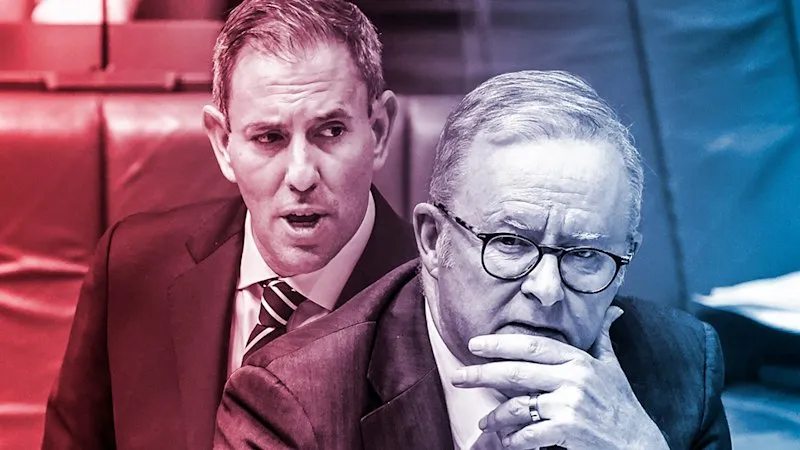
Australians slash spending on takeaway meals, streaming services, and home or car repairs to stretch their budgets amid deepening cost-of-living pressures. A recent nationwide poll reveals that 40% hold the federal government under Prime Minister Anthony Albanese responsible for the inflation spike.
Inflation Climbs Amid Rate Hike Expectations
Inflation has risen from 1.9% to 3.8% over the past six months. Treasurer Jim Chalmers warns that the war in Iran, which has driven oil prices above $US100 per barrel, could propel inflation into the high fours.
The Reserve Bank prepares to increase interest rates by another quarter percentage point on Tuesday, with financial markets pricing in a 75% chance of the move. Analysts anticipate a follow-up hike in May, returning the cash rate to 4.35%—early last year’s level. This would add about $300 to monthly repayments on a $600,000 mortgage.
HSBC Australia chief economist Paul Bloxham states the bank’s options have “narrowed significantly” as inflation exceeds the 2-3% target and Middle East tensions exacerbate pressures. “Australia’s economy needs a downturn to deliver the necessary disinflation to get inflation back to the RBA’s 2.5 per cent target. This is the tough, hard and unfortunate reality,” Bloxham said. “The RBA may now have to be clear that a recession may be what is needed to get inflation sustainably back to target.”
Poll Highlights Voter Sentiment
The survey of 1,803 Australians, conducted March 9-14, shows few blame external forces. While 40% target the government, just 6% fault businesses or the Reserve Bank, 3% point to consumers, and 17%—the highest recorded—cite uncontrollable global factors.
Key Cost Pressures Identified
Groceries and basic shopping top concerns at 55%, hitting low-income earners (62%), retirees (61%), and the unemployed (60%) hardest. Utilities like electricity and gas rank second at 41%, down from a 2023 peak after temporary subsidies ended. Rent costs now pressure 26% of respondents, up from 21% late last year.
How Households Cope
To manage, 55% cut non-essentials like clothing or phones and hunt supermarket specials. Nearly half (47%) dine out or order takeaway less often, one-third cancel subscriptions, and a similar share delay major repairs. Renters, low-income groups, and retirees cut back most aggressively.
Pessimistic Economic Outlook
Expectations darken further: only 8% foresee improvement next month (versus 47% predicting worse), 14% over six months (half expect decline), and 22% by March 2027 (44% anticipate deterioration).