Cricket Australia (CA) continues intensive talks on privatizing stakes in Big Bash League (BBL) clubs, with state chief executives scheduled to review a final proposal this week in Melbourne. A pivotal choice looms: proceed with private investment or maintain the current structure. CA chief executive Todd Greenberg described it as the most significant decision for Australian cricket in a generation, targeting a resolution by early April.
Core Elements of the Proposal
CA weighs launching a market process to sell shares in the eight BBL franchises, mirroring the England and Wales Cricket Board’s (ECB) sale of stakes in The Hundred last year. Discussions involve the board, six state associations, and the Australian Cricketers’ Association (ACA), all vital stakeholders.
Stakes on Offer and Flexibility
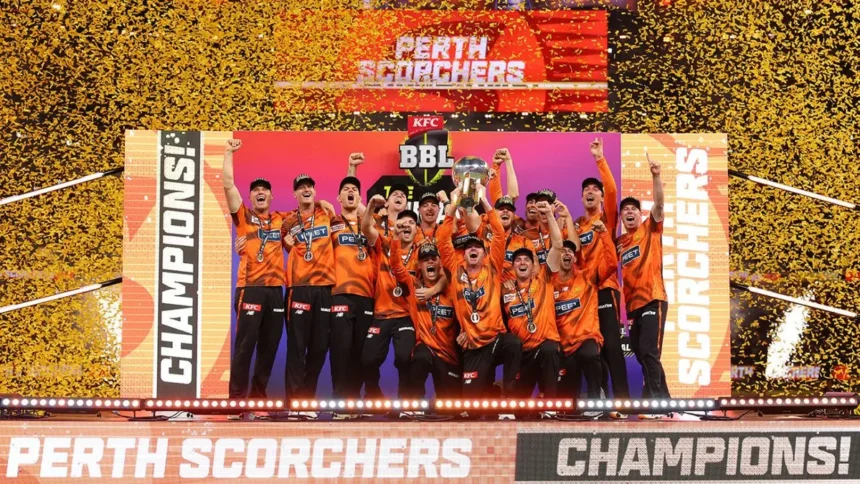
Proposals suggest offering 49% stakes in six teams—Perth Scorchers, Brisbane Heat, Adelaide Strikers, Hobart Hurricanes, plus one each from Melbourne and Sydney—while fully privatizing the remaining Melbourne and Sydney outfits, likely Renegades and Thunder. Final percentages remain fluid, shaped by investor bids. In The Hundred, deals ranged from 49% to 100%, with counties holding majorities in most cases.
Shareholder agreements could limit investor influence over team names, colors, coaching, player selection, schedules, pathways, and revenue streams like broadcasting, sponsorships, and ticketing.
Projected Revenue and Distribution
Forecasts estimate proceeds between AUD 600-800 million, varying by control levels and investor valuations. Initial funds would split among CA, states, and players. Ongoing league revenue, primarily from broadcast rights, would divide based on ownership shares.
Potential Buyers
No formal investor outreach has occurred, but interest has surfaced from IPL franchise owners expanding into leagues like The Hundred, SA20, MLC, CPL, and ILT20. U.S. tech investors, active in The Hundred and MLC, and affluent Australian locals also eye opportunities.
Driving Factors Behind Privatization
The push addresses financial volatility tied to infrequent high-value Test tours, including last year’s deficit despite India’s visit. A robust BBL aims to stabilize income amid clashes with SA20 and ILT20 in January, where private funding has inflated player pay.
Australia’s top white-ball stars earn far less in BBL than in rival leagues, prompting some overseas players to prioritize SA20 for IPL visibility. Recent Hundred auctions underscored disparities: Beth Mooney secured £210,000—over triple her WBBL salary—while Tim David tripled his BBL deal.
Beyond salaries, funds would bolster administration, pathways, and community cricket after recent cuts, creating a sustainable future reserve.
Risks of Privatization or Status Quo
Privatization raises concerns over investor priorities versus Australian cricket’s interests, potential brand changes (noted in The Hundred), and alternative funding options. CA believes BBL’s established identities deter alterations, enforceable via contracts.
Rejecting privatization risks falling behind global T20 trends, forcing ongoing fundraising to match rising overseas salaries and retain talent.
Implications for Test Cricket
Test matches anchor Australia’s summer, drawing massive crowds at Boxing Day and New Year’s fixtures. Fears persist that a privatized BBL could encroach, pulling players from Tests. CA prioritizes Tests, embedding protections in investor deals and schedules.
The 2026-27 summer stays unchanged, but next BBL faces disruptions from Australia’s Tests in New Zealand and India, sidelining key players. Broadcast rights with Seven and Foxtel extend to 2031. Greenberg indicated potential calendar shifts, favoring a clear January for BBL while preserving December Tests.