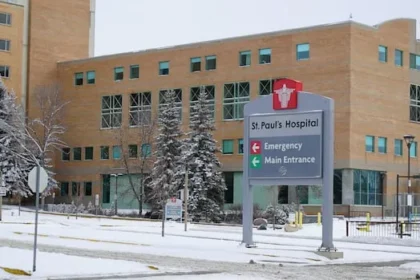
A landmark case in British Columbia’s Supreme Court is examining whether faith-based health-care facilities receiving public funding can prohibit medical assistance in dying (MAID) on their premises. The challenge seeks to eliminate this policy, arguing it forces patients into unnecessary transfers during their most vulnerable moments. Should the matter escalate to Canada’s highest court, it could reshape end-of-life care policies nationwide.
Background on the Case
The proceedings highlight the tension between religious freedoms and patient rights in publicly supported institutions. Plaintiffs contend that such exemptions infringe on access to legally approved care, potentially causing undue suffering. The trial, which began earlier this month, draws from real experiences, including that of a 34-year-old woman with stage 4 cervical cancer who endured severe pain during a transfer from a faith-based hospital in Vancouver to another site for her MAID procedure in 2023.
Growing Use of MAID in Canada
Assisted dying has seen steady growth across the country. In 2024, 16,499 individuals received MAID, accounting for 5.1 percent of all deaths that year. This marks a significant rise from 9,950 cases in 2021, reflecting broader acceptance and expanded eligibility criteria.
Frequency and Reasons for Patient Transfers
Transfers related to MAID occur for various reasons, such as a preference to die at home rather than in a hospital. However, facility policies play a notable role. According to federal health data, nearly half of all MAID transfers in 2023 stemmed from institutional restrictions. By 2024, this figure dropped to about one-quarter, though comprehensive data for 2021 and 2022 remains unavailable.
Provincial Variations in Transfer Rates
British Columbia recorded roughly one-third of its 2024 MAID transfers due to facility policies. Rates were higher elsewhere, including 77 percent in Manitoba and 74 percent in Alberta. In contrast, transfers for this reason are rare in the territories, Prince Edward Island, Newfoundland and Labrador—areas with limited or no faith-based health facilities—and Quebec, where such institutions must permit MAID.
Provincial Policies on MAID in Faith-Based Settings
Policies differ widely by jurisdiction, as outlined in testimony from a senior health ministry official during the trial. British Columbia, Alberta, Manitoba, and New Brunswick require faith-based facilities to provide information on MAID requests but not to perform the procedure on-site. Newfoundland and Labrador follows a similar approach.
Saskatchewan and Ontario lack overarching provincial guidelines, deferring decisions to individual institutions. Quebec mandates that long-term and palliative care facilities, including faith-based ones, accommodate MAID assessments and provisions; a recent court ruling denied an exemption request from a Catholic organization pending full trial.
Nova Scotia’s stance is ambiguous, though at least one faith-based hospital there offers a designated area for MAID. Prince Edward Island and Yukon have no faith-based end-of-life care facilities. Details for the Northwest Territories and Nunavut regarding faith-based palliative care or related policies are not specified.
Addressing Conscience Rights
A key concern is whether ending these exemptions would compel unwilling staff to participate in MAID. Proponents of the challenge clarify that the change would simply enable consenting health-care providers to conduct procedures in faith-based buildings. Objecting personnel would remain exempt from involvement, preserving individual conscience protections while ensuring patient access.