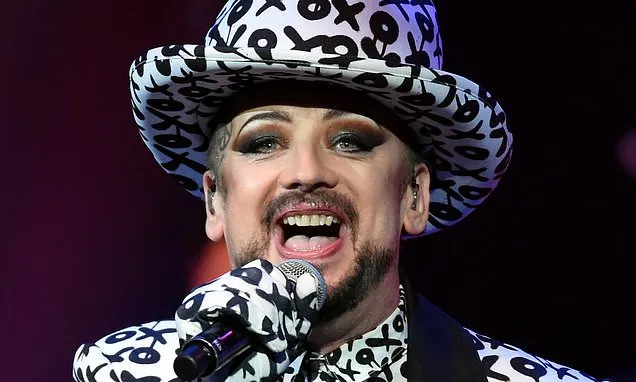
Singer Boy George has ignited a significant debate within the music industry following the release of his new song, “We Will Dance Again,” which expresses support for Israel’s actions in the ongoing conflict in Gaza. The move has led to Boy George’s withdrawal from a West End musical and has been interpreted by some as evidence of a stifling, intolerant atmosphere within the contemporary music scene, particularly concerning political expression.
Boy George’s Stance and Initial Backlash
Boy George, born George Alan O’Dowd, is of London Irish heritage and identifies as Buddhist. He has previously spoken out against antisemitism, notably offering support to the Jewish community after an attack in Golders Green, London. His latest song, released on the DIY platform Bandcamp, directly addresses the October 7th Hamas attacks and Israel’s subsequent military response. The lyrics include lines such as, “You say genocide, I say war / When you’re attacked, that’s what the army’s for,” and a direct statement of solidarity: “If you’re ever confused, I stand with the Jews.” The chorus, “We will dance again,” is a popular slogan in Israel, and the song concludes with the phrase spoken in Hebrew.
The song’s release was met with swift repercussions. Boy George’s manager, Paul Kemsley, announced that the singer would no longer be participating in the London Palladium production of “Jesus Christ Superstar,” where he was set to share the role of King Herod. The exact reasons for his withdrawal remain unclear, with possibilities including producer decisions, refusal by other cast members to work alongside him, or a preemptive move to shield the production from potential protests. Kemsley stated the decision was made “in the best interests of my artist while also showing respect to others.” Furthermore, Boy George’s record label, BGP, declined to release the track commercially, a decision the singer described as “gutless,” leading to a split with the label’s manager.
Boy George’s Clarification and Context
In response to the backlash, Boy George clarified that his intention was not to celebrate war. He expressed devastation over the loss of innocent lives on both sides of the conflict and called for peace. He emphasized that his song was a personal expression of support for his Jewish friends and acquaintances, stating, “the woman who sells me bagels is not to blame, neither is my doctor or publicist, manager, ex-boyfriend [Culture Club drummer Jon Moss, who is Jewish], or my thousands of Jewish friends.” He specifically highlighted the lyrics addressing the Nova music festival massacre, noting the atrocities committed against young women.
The song itself, described as a reggae number with a catchy hook, was created with AI-assisted backing tracks, a process Boy George acknowledged as necessary due to his limitations in composing such elements with human collaborators alone.
Broader Industry Trends and Artist Responses
Boy George’s experience is being framed by some as indicative of a wider trend in the music industry, where expressing support for Israel or a nuanced view of the conflict can lead to professional consequences. The narrative suggests that a significant portion of the industry, particularly on the Left, enforces a strict script regarding the Israeli-Palestinian conflict, demanding unequivocal condemnation of Israel and support for Palestine.
Other artists have also faced scrutiny. U2 frontman Bono, while condemning the Hamas attacks as “evil,” also acknowledged that “Hamas are not the Palestinian people.” This nuanced stance was reportedly criticized by some outlets as “billionaire pacifism.” Madonna, who reportedly practices Kabbalah, publicly condemned Hamas after the October 7th attacks.
Conversely, artists expressing solidarity with Palestine have often received acclaim. The trip-hop duo Massive Attack were praised for waving the Palestinian flag on stage, even facing a ban from Singapore for the act. Brian Eno’s charity single “Lullaby,” which raised funds for the collective Together For Palestine and featured contributions from artists like Peter Gabriel and Neneh Cherry, was a commercial success and garnered significant support.
The contrast is drawn between artists who support Palestine, who seemingly face no professional repercussions, and those who express sympathy for Israel or advocate for a balanced perspective, who are allegedly subjected to intimidation and public shaming. This situation is compared to earlier eras of music, such as John Lennon’s song “Revolution,” suggesting a shift from a broader acceptance of diverse viewpoints to a more rigid ideological conformity.
Conclusion: A Shifting Landscape for Artistic Expression
Boy George’s “We Will Dance Again” has become a focal point in a larger discussion about artistic freedom and political expression in the music world. The singer’s decision to release a pro-Israel song, and the subsequent professional fallout, highlights the intense pressures and potential consequences artists face when navigating sensitive geopolitical issues. While some view his actions as a courageous stand against perceived industry censorship, others may see it differently. Regardless of individual interpretation, the incident underscores the challenges artists encounter when their personal views diverge from prevailing sentiments within their professional sphere, particularly in an era where social and political commentary is increasingly intertwined with artistic output.