New Federal Strategy Aims to Reduce Whale Entanglements
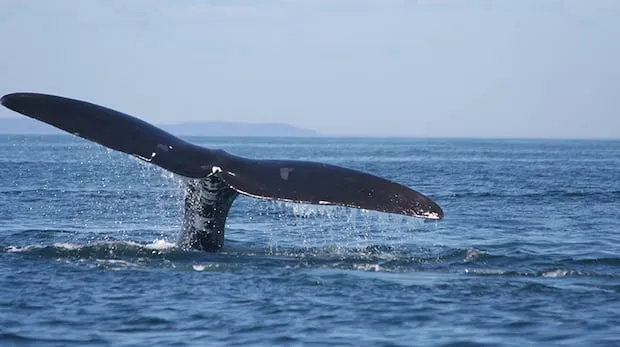
Federal authorities have unveiled a five-year national strategy to develop and implement specialized fishing equipment designed to prevent entanglements of endangered marine mammals, with particular focus on North Atlantic right whales. The initiative prioritizes collaboration with Indigenous and commercial fishing communities alongside marine conservation experts.
Two-Pronged Approach to Safer Gear
The whalesafe equipment falls into two primary categories:
On-Demand Systems: Utilizing acoustic technology to retrieve underwater fishing gear without permanent vertical ropes in water columns.
Lower-Breaking Links: Modified connections designed to rupture under 1,700 pounds of force, enabling entangled whales to break free more easily.
“We’re working across sectors to develop a spectrum of cost-effective solutions tailored to different fisheries,” stated a senior fisheries official during Tuesday’s program announcement. “While breakaway links offer immediate affordability, we’re simultaneously advancing more sophisticated ropeless technologies.”
Phased Implementation and Regional Adaptation
Current efforts concentrate on eastern Canada’s right whale habitats, where temporary fishing closures are enforced when whales are detected. Officials confirmed these restrictions won’t apply to vessels using approved on-demand systems.
The program will gradually expand to address entanglement risks on Canada’s west coast and for additional vulnerable species. Fisheries in high-risk zones will eventually require whalesafe gear, though specifications will vary by region and fishery type.
Funding and Practical Challenges Remain
While officials emphasized technological advancement and cost reduction as priorities, no dedicated funding program currently exists to help harvesters acquire the new equipment. Field researchers note significant adoption barriers.
“Effective solutions must align with practical fishing operations,” emphasized a marine technology researcher testing gear in Newfoundland waters. “We’re evaluating both whale safety and whether these systems function reliably in real-world conditions at sustainable costs.”
Conservation Groups Call for Accelerated Efforts
Environmental advocates acknowledge progress but urge faster development of entanglement prevention systems. “With only 380 North Atlantic right whales remaining—including just 70 breeding females—we need rapid advancements in tested technologies,” said a representative from marine conservation organization Oceana.
Fisheries authorities confirm ongoing collaborations with academic institutions and industry partners to refine gear modifications, emphasizing that successful implementation requires location-specific solutions compatible with diverse fishing practices across Canadian waters.