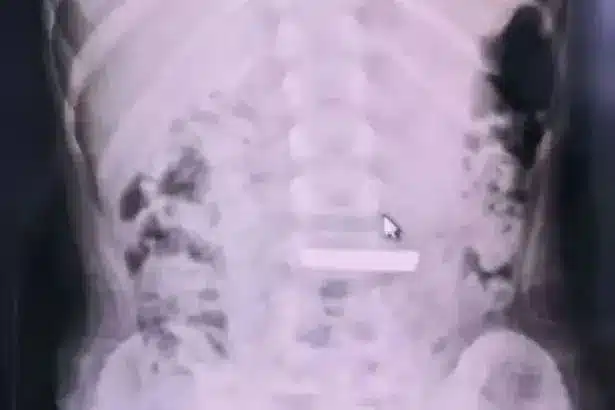
A five-year-old girl required hospitalization after accidentally swallowing a solid gold bar while playing at her home in Beijing, China. The valuable item, measuring approximately 4cm in length and weighing around 50 grams, became lodged in the child’s stomach, necessitating a complex surgical procedure for its removal. The exact circumstances leading to the child having possession of the gold bar, estimated to be worth approximately £5,300, remain unclear. Local media reports indicate the incident occurred while the child was engaged in play.
Medical Concerns and Surgical Intervention
Doctors at Beijing Children’s Hospital expressed significant concern over the potential dangers posed by the ingested gold bar. Medical professionals feared the object could become trapped within the child’s digestive tract, leading to severe complications such as internal organ damage from scratching or internal bleeding. To address this critical situation, the child’s parents consented to an emergency endoscopic removal procedure.
This minimally invasive technique involves inserting a long, flexible tube equipped with a camera through the patient’s throat and into the stomach. During the procedure, medical staff located the gold bar within the girl’s gastric cavity. They carefully maneuvered the endoscopic tools to extract the foreign object, a process that required several minutes of delicate work.
Recovery and Broader Safety Concerns
Fortunately, the child has since made a full recovery following the successful removal of the gold bar. This incident, however, underscores the inherent dangers associated with young children swallowing foreign objects, which can have fatal consequences.
A Tragic Case of Magnetic Toy Ingestion
A stark reminder of these risks emerged in 2024 when eight-year-old Rhys Millum from Harrogate tragically died after swallowing ten small toy magnets. The coroner presiding over the inquest described the event as a profound tragedy. Rhys had reportedly begun experiencing stomach pain two days prior to his death, prompting his mother to seek medical attention.
Initially, Rhys was diagnosed with a suspected infection and sent home. Tragically, his condition worsened, and he passed away just two days later. The coroner, Catherine Cundy, expressed a hope that Rhys’s death would serve as a critical warning about the dangers these small objects pose, particularly to young children.
During the inquest at Northallerton Coroner’s Court, the conclusion of “misadventure” was reached, indicating that a deliberate action led to an unintended fatality. The coroner conveyed her deepest sympathies to the family, stating, “I offer my very sincere condolences and I am profoundly sorry.” She acknowledged that such magnetic balls are legally available but reiterated her plea: “I hope the tragedy of Rhys’s death will highlight the danger of such objects, particularly to young children who may swallow them.”
Preventing Accidental Ingestion in Children
The incidents involving the gold bar and the magnetic toys highlight the critical importance of childproofing homes and supervising young children closely. Key preventative measures include:
- Securing Small Objects: Keeping small items, including jewelry, coins, batteries, magnets, and small toys, out of reach and sight of young children.
- Awareness of Hazards: Educating parents and caregivers about common household items that can pose choking or ingestion risks.
- Supervision: Ensuring constant and vigilant supervision of children, especially during playtime and when they are exploring their environment.
- Emergency Preparedness: Knowing basic first aid for choking and when to seek immediate medical attention. Recognizing the signs of ingestion, such as vomiting, abdominal pain, or difficulty breathing, is crucial.
- Safe Toy Selection: Choosing age-appropriate toys and regularly checking them for damage that could create small, detachable parts.
While the gold bar incident had a positive outcome due to prompt medical intervention, the tragic case of Rhys Millum serves as a somber reminder of the potentially devastating consequences when children ingest small, seemingly innocuous items. Vigilance and proactive safety measures are paramount in protecting young children from such preventable accidents.