A significant deadline is fast approaching for the Canada-U.S.-Mexico Agreement (CUSMA), a pivotal trade pact. On July 1, the three North American nations must decide whether to formally extend the agreement for 16 years or transition to an annual review process. Here’s a breakdown of what this mandatory review entails and where each country stands.
Country Positions on CUSMA Extension
Both Canada and Mexico have officially communicated their desire to extend CUSMA for a 16-year term, pushing its potential expiry to 2042. These intentions have been conveyed through formal letters sent to Washington D.C. recently.
The United States’ position remains less clear publicly. While President Donald Trump has indicated he is “not looking to renew” the agreement, and other officials have echoed this sentiment, a definitive stance has not been announced. Greta Peisch, former general counsel for the Office of the U.S. Trade Representative and now a partner at Wiley Rein in Washington D.C., anticipates that the current administration may not agree to the formal extension in July. “If that is the case, the parties will discuss what changes could be made to address concerns about the operation of the agreement,” Peisch stated via email. She added, “The parties have already started this conversation, particularly between Mexico and Canada.”
Consequences of No Extension on July 1
Should the United States not formally agree to an extension on July 1, the trade pact will not immediately cease to exist. According to Peisch, CUSMA will remain in effect for an additional 10 years before automatically terminating if an agreement on extension cannot be reached by all parties. In the interim, negotiations regarding potential modifications to the agreement, which could pave the way for an extension, are expected to continue.
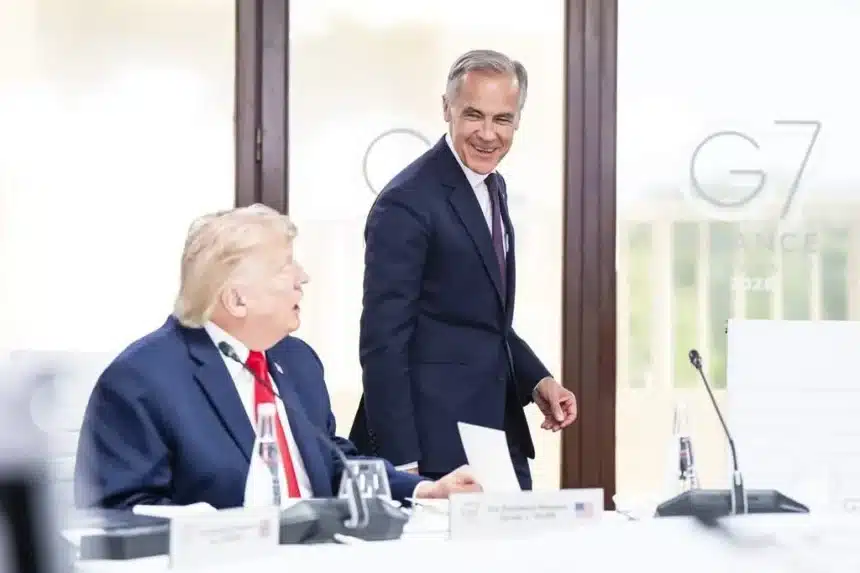
While negotiations have commenced between Mexico and the United States, official talks between Ottawa and Washington have not yet begun. Canada’s Trade Minister, Dominic LeBlanc, has held recent meetings with United States Trade Representative Jamieson Greer, both in Washington and on the sidelines of the G7 summit in France. These discussions are set to continue until an agreement on extension is reached or the deal’s current term expires in 2036.
Can a Country Withdraw from CUSMA?
If the United States opts out of the July 1 extension, the trade agreement will persist unless one of the member countries provides a six-month notice of its intention to withdraw. As previously noted, both Canada and Mexico have expressed their commitment to maintaining the trilateral trade arrangement.
President Trump has previously described the agreement as “irrelevant” and suggested it may have served its purpose, casting uncertainty on its future. Greer has indicated openness to exploring separate bilateral agreements and acknowledged that certain aspects of the continental trade pact function effectively. Given the extensive integration of industries across North America, most analyses suggest that the United States would be hesitant to abandon the agreement entirely.
Numerous business, agricultural, and lobbying groups have communicated to lawmakers their support for CUSMA, while also advocating for specific revisions to the trade pact.
U.S. Congressional Approval for CUSMA Changes
CUSMA was established during the previous Trump administration, replacing the North American Free Trade Agreement (NAFTA). Its approval by Congress, which holds the constitutional authority over trade agreements, was met with broad bipartisan support.
However, Peisch suggests that the current administration might argue that modifications to CUSMA do not necessitate changes to U.S. law, thereby bypassing the need for Congressional approval. “The (CUSMA) implementing bill contains procedures for making many changes to tariffs and rules of origin, and many other provisions could be amended without impacting U.S. law,” Peisch explained. Prime Minister Mark Carney has indicated that the administration has signaled a preference to avoid bringing the agreement to a Congressional vote by altering its “fundamental architecture.”