The Meals and Drug Administration on Tuesday took steps towards banning BHA, a meals additive utilized in processed meals akin to meats and bread.
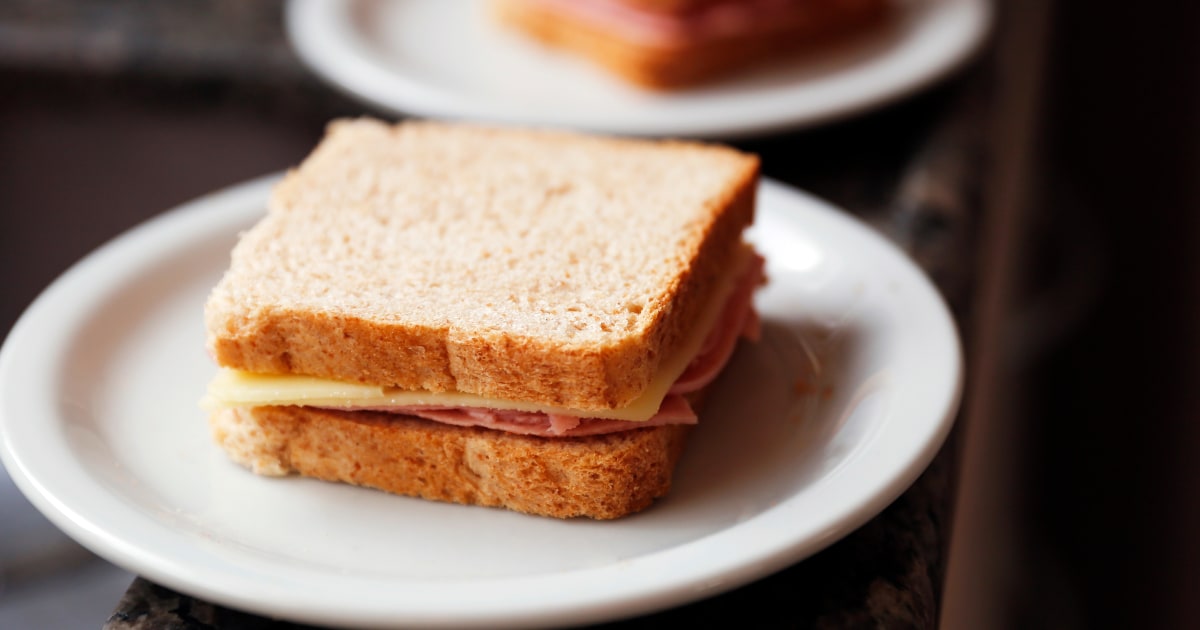
BHA, or butylated hydroxyanisole, has been used within the meals provide for many years. The FDA first listed it as “usually acknowledged as protected” in 1958 and accepted it as a meals additive in 1961. It’s used to stop fat and oils in meals from spoiling and might present up in merchandise akin to frozen meals, breakfast cereals, cookies, ice cream and a few meat merchandise.
The company stated it’s launching a brand new security assessment of the chemical, pointing to long-standing considerations that the meals additive would possibly trigger most cancers in people.
Within the Nineties, the Nationwide Toxicology Program — a federal program that opinions whether or not sure chemical compounds might trigger hurt — recognized BHA as “moderately anticipated to be a human carcinogen” based mostly on animal research. It’s been listed as a identified carcinogen below California’s Proposition 65.
A handful of research linking BHA to most cancers in animals date again to the Nineteen Eighties and Nineties, though analysis in people is skinny.
As part of its assessment, the FDA stated it’s issuing a so-called request for info, asking the general public and business to submit information on how BHA is sued and whether or not it’s protected.
“This reassessment marks the tip of the ‘belief us’ period in meals security,” Well being and Human Providers Secretary Robert F. Kennedy Jr. stated in a launch.
The assessment aligns with Kennedy’s “Make America Wholesome Once more” agenda, which has centered closely on cracking down on chemical compounds within the meals provide.
Final 12 months, Kennedy introduced a plan to section out all synthetic dyes from the meals provide by the tip of this 12 months, claiming they’re chargeable for behavioral issues in kids, together with hyperactivity — a hyperlink that the FDA has stated it’s monitoring however that hasn’t been established.
The FDA has since accepted “pure” dyes, together with beetroot pink, and the expanded use of spirulina extract, an current coloration additive derived from a sort of algae.
Marion Nestle, professor emerita of diet, meals research and public well being at New York College stated she desires to know the way the FDA plans to judge BHA for security.
Earlier toxicology research on BHA have relied on lab testing and animal experiments, and it’s not all the time clear how nicely these outcomes translate to people, she stated.
Human research aren’t actually doable, she added, noting that they’d take too lengthy, price an excessive amount of and lift main moral considerations.
Nonetheless, Nestle applauded the FDA’s transfer to launch a brand new security assessment of BHA. She stated the chemical has been on the Middle for Science within the Public Curiosity’s “keep away from” record for ages. The middle is a watchdog group for meals security.
“It’s about time the FDA obtained to it,” Nestle stated. ”It is going to be fascinating to see what its reviewers conclude.”
The Client Manufacturers Affiliation, an business commerce group, didn’t instantly reply to a request for remark.