World Cup Parking Costs Draw Fan Criticism
Football supporters worldwide have expressed frustration over FIFA’s pricing strategy for the 2026 World Cup, with newly revealed parking fees intensifying scrutiny. Analysis shows stadium parking passes reaching $300 per match in some host cities, often exceeding regular season rates at the same venues.
Los Angeles Parking Costs Spark Outrage
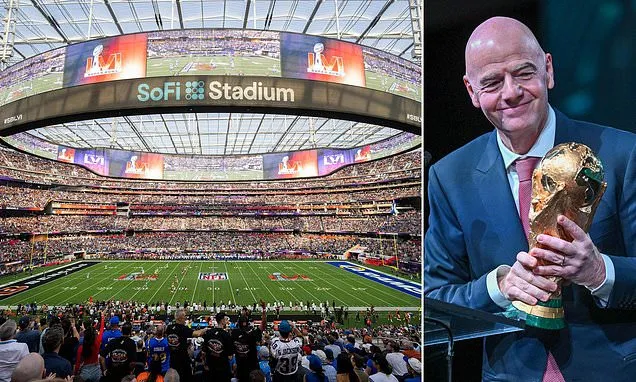
Official listings reveal parking spaces for matches at Los Angeles’ SoFi Stadium are priced between $250-$300 per vehicle. These designated areas require attendees to walk approximately 21 minutes to reach the venue, with the premium-priced spots located near the Intuit Dome basketball arena rather than the football stadium itself.
The United States’ opening match and a quarterfinal fixture both feature the highest parking rates. Stadium officials confirmed the parking facilities directly adjacent to SoFi Stadium will likely remain unavailable to general spectators due to security protocols.
Price Comparisons Highlight Discrepancy
Market analysis reveals significant price differences between World Cup parking and regular events:
– Los Angeles Clippers NBA games: $56.50 parking at same Intuit Dome garage
– Upcoming NBA All-Star Game: $88 parking fee
– Los Angeles Rams NFL games: $71 for stadium-adjacent parking
A FIFA representative defended the pricing structure, stating: “Parking prices are determined based on local market conditions and benchmarking against comparable major events in each host city.”
Variable Pricing Across Host Cities
Parking costs show substantial regional variation:
– Philadelphia: Several hundred dollars per space
– Atlanta: Ranges from $75 (Spain vs. Cape Verde) to $200 (semifinal match)
– Boston and Miami: Parking already listed as sold out
– Houston, San Francisco, Seattle, and New York/New Jersey: Sales not yet initiated
Secondary market platforms show parking passes being resold at premium rates, indicating high demand despite criticism. Transportation analysts note the pricing strategy presents particular challenges in U.S. cities with limited public transit infrastructure.