[ad_1]
The final remaining treaty between the U.S. and Russia that limits the variety of deployable nuclear weapons expired Thursday, marking the top of many years of arms management agreements between the 2 nations with the most important nuclear arsenals on the planet.
The New START Treaty, signed in 2010 by the U.S. and Russia, restricted the variety of deployed strategic nuclear weapons to 1,550 on all sides and required on-site inspections and notifications to make sure each superpowers had been complying with the settlement.
Russia stopped offering notifications and suspended inspections through the warfare in Ukraine however is estimated to not have considerably exceeded the required caps, in response to the State Division’s newest report launched final month.
Former President Joe Biden in 2021 prolonged the treaty for 5 years, but it surely can’t be prolonged additional.
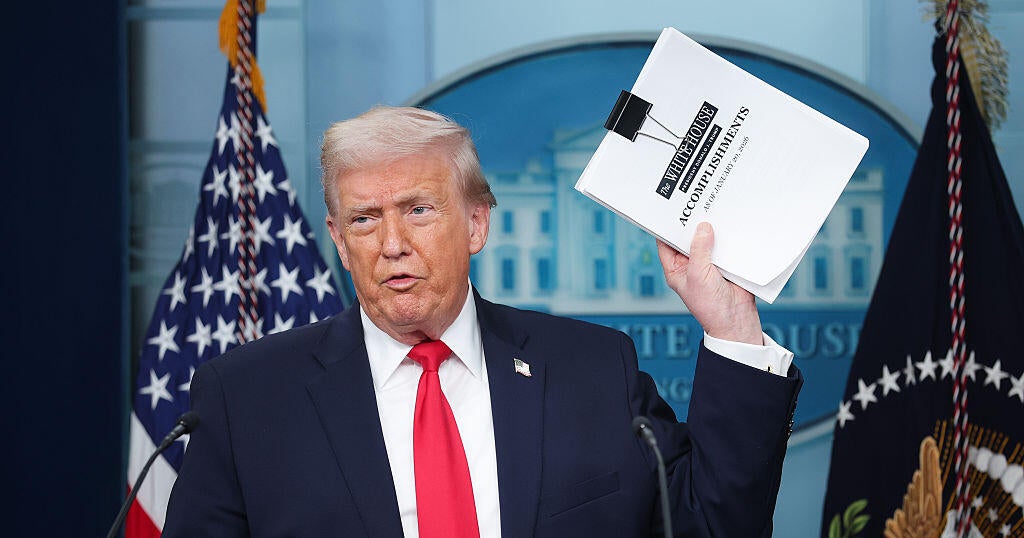
In January, President Trump advised The New York Instances “if it expires, it expires,” indicating he might let the treaty lapse. A White Home official advised CBS Information the president will resolve a path ahead on nuclear arms management “which he’ll make clear on his personal timeline,” and he has indicated he wish to hold limits on nuclear weapons and contain China in future arms management talks.
Secretary of State Marco Rubio stated Wednesday that it is “unimaginable” to come back to an settlement with out China “due to their huge and quickly rising stockpile.” The Pentagon has estimated China could have over 1,000 nuclear weapons by 2035, up from round 200 in 2019.
The newly-expired treaty was a bilateral settlement between the U.S. and Russia, which have about 4,300 and three,700 nuclear warheads respectively, in response to the Federation of American Scientists.
Russian President Vladimir Putin in September urged either side ought to abide by the parameters of the treaty with out signing one other deal for a 12 months, which former Underneath Secretary of State for Arms Management Rose Gottemoeller advised senators was a viable choice.
“It ought to be Donald Trump who will get to be the president of nuclear peace on this case, not Vladimir Putin,” Gotttemoeller testified Tuesday earlier than the Senate Armed Providers Committee. She argued that persevering with to maintain New START limits in place for an additional 12 months would allow the U.S. “to reestablish strategic stability with Russia and management nuclear weapons on the negotiating desk.”
Retired Adm. Charles Richard, the previous head of U.S. Strategic Command, and Tim Morrison, a former deputy assistant to the president for nationwide safety affairs through the first Trump administration, disagreed, arguing that the treaty didn’t deal with a number of urgent considerations.
All three of the previous officers agreed the treaty was not good, partly, as a result of it did not account for China and did not constrain non-strategic nuclear weapons, like tactical nuclear weapons, however Goettmoeller advised senators it was higher than nothing.
“My backside line is that it doesn’t serve U.S. nationwide safety pursuits to have to handle the Chinese language nuclear buildup whereas concurrently going through a fast Russian add marketing campaign,” Gottemoeller stated.
Now that the treaty limiting the U.S. and Russia has expired, every of the officers raised considerations about different nations exploring their very own nuclear applications sooner or later even when they don’t seem to be actively pursuing them now.
“I do not assume you may understate the chance of proliferation,” Morrison advised senators.
Morrison stated the U.S. stockpile is getting old and emphasised that efficient nuclear deterrence requires sustained funding.
“By 2035, 100% of U.S. nuclear weapons, the warheads and bombs themselves, could have exceeded their design lives by a median of 30 years,” Morrison stated. “The one means to reliably implement compliance with arms treaties is to have the ability to threaten that failure to conform will probably be met with a compelling response.”
U.S. Navy illustration 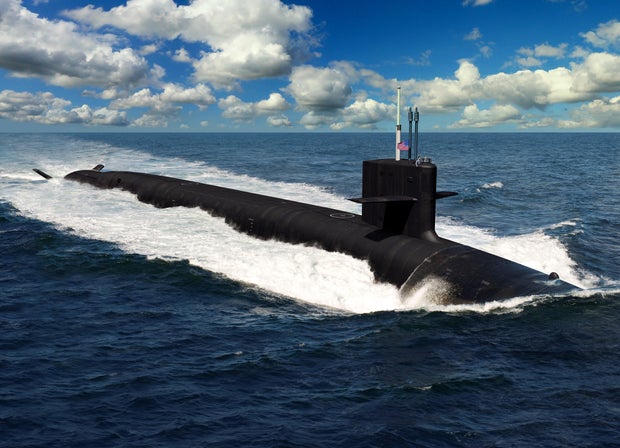
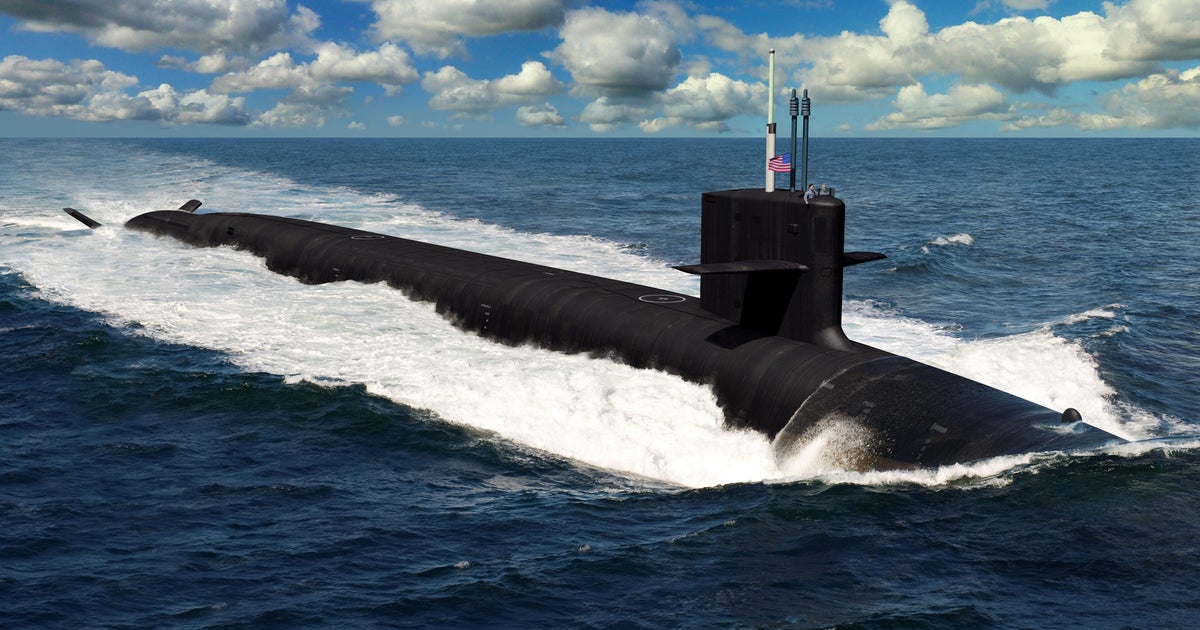
And to deploy the weapons successfully, the U.S. wants to spice up its protection industrial base, the previous officers all agreed, particularly in the case of constructing Columbia-class submarines that may make up the sea-based a part of the nuclear triad.
“I believe the numbers are inadequate on all parts of the triad, significantly on the bomber and the ballistic missile submarine leg,” stated Richard, the retired admiral previously in command of U.S. Strategic Command. “There are extra capabilities that we should always contemplate along with the recapitalization of the triad and rising the capability contained in the triad.”
[ad_2]