




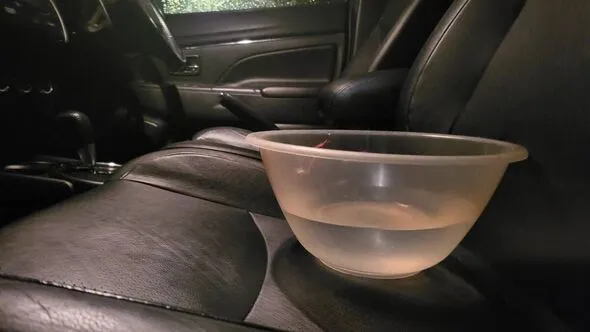
As fuel prices continue to fluctuate, drivers are being advised to adopt a simple, yet effective, method to encourage smoother driving and potentially reduce fuel consumption. The unusual tip, shared by motoring experts, involves placing a bowl of water on the passenger seat as a visual cue to avoid harsh acceleration and braking.
This strategy aims to promote a more gentle driving style, which is widely recognized as a key factor in improving fuel economy. While the price of petrol and diesel has seen recent increases, influenced by geopolitical events and trade route disruptions, adopting fuel-saving habits can help mitigate the impact on household budgets, especially during periods of heavy travel like summer holidays.
The Water Bowl Method Explained
Motoring experts from ChooseMyCar.com have highlighted this long-standing tip as a practical way to encourage drivers to be more mindful of their driving habits. The concept is straightforward: by placing an open bowl of water, filled to about an inch from the brim, on the passenger seat, drivers are provided with a constant, gentle reminder to drive smoothly.
The experts explained the rationale behind this unusual technique: “Keeping an open bowl of water on your passenger seat is a great deterrent for unnecessary acceleration and braking. It sounds a bit strange, but it is a simple and brilliant reminder to drive gently. If you hit the accelerator too hard, you’ll see water pour out the sides. Likewise, if you’re driving too fast and braking hard you’ll notice water on the seat.”
The type of bowl recommended is a small cereal bowl, which is stable enough to hold water without excessive spillage under normal driving conditions. However, any sudden lurches or abrupt maneuvers will be immediately apparent through spilled water, serving as an immediate, non-punitive feedback mechanism for the driver.
Broader Strategies for Fuel Efficiency
Beyond the water bowl trick, motoring professionals advocate for several other established practices to enhance fuel efficiency and reduce overall driving costs. These tips focus on vehicle maintenance, driving habits, and trip planning.
Optimize Vehicle Storage and Maintenance
- Utilize Your Garage: Parking your car in a garage, especially during colder months, can help maintain a more optimal engine temperature. A warmer engine generally operates more efficiently, potentially reducing the need for excessive air conditioning use to reach a comfortable cabin temperature. This can lead to a noticeable reduction in fuel consumption, particularly in winter.
- Reduce Unnecessary Weight: Excess weight in a vehicle significantly impacts fuel economy, forcing the engine to work harder. Experts advise emptying the car of any non-essential items regularly. This includes removing items like sports equipment, tools, or shopping bags that are not needed for the current journey. For instance, leaving golf clubs in the boot after a weekend game can add unnecessary weight throughout the week.
Rethink Your Commute and Travel Habits
- Consider Alternative Transportation: For shorter journeys, such as a daily commute, cycling or walking can offer substantial savings on fuel costs. In addition to saving money on petrol, these active modes of transport contribute to personal fitness, potentially reducing the need for gym memberships. A five-mile commute, for example, could result in significant annual savings on fuel and a considerable increase in daily physical activity.
- Maintain Steady Speeds: Consistent speed is more fuel-efficient than frequent acceleration and deceleration. Using cruise control on highways where appropriate can help maintain a steady pace.
- Proper Tire Inflation: Under-inflated tires increase rolling resistance, which in turn increases fuel consumption. Regularly checking and maintaining the correct tire pressure is a simple yet effective way to improve mileage.
- Plan Your Routes: Combining errands into a single trip and planning routes to avoid heavy traffic or unnecessary mileage can also contribute to fuel savings.
Current Fuel Price Landscape
The recent surge in fuel prices follows a period of relative calm. Average prices for petrol have reportedly reached approximately 159.55 pence per litre, with diesel averaging around 178.31 pence per litre. These figures represent a notable increase compared to prices seen in December 2025, when petrol averaged 134.97 pence per litre and diesel stood at 142.57 pence per litre. Factors such as renewed military actions in the Middle East and ongoing tensions surrounding the Strait of Hormuz, a critical global oil transit route, are cited as primary drivers for the current price hikes.
Conclusion
While external factors continue to influence fuel costs, drivers have several practical strategies at their disposal to enhance fuel efficiency. The ‘water bowl trick’ offers a novel, yet simple, method to encourage smoother driving, complementing established advice such as reducing vehicle weight, maintaining tires, and considering alternative transport for shorter journeys. By adopting a combination of these techniques, motorists can take proactive steps to manage their fuel expenses more effectively.











.png "You Can Get Peacock or Paramount+ With Walmart+ Proper Now (2025)")
