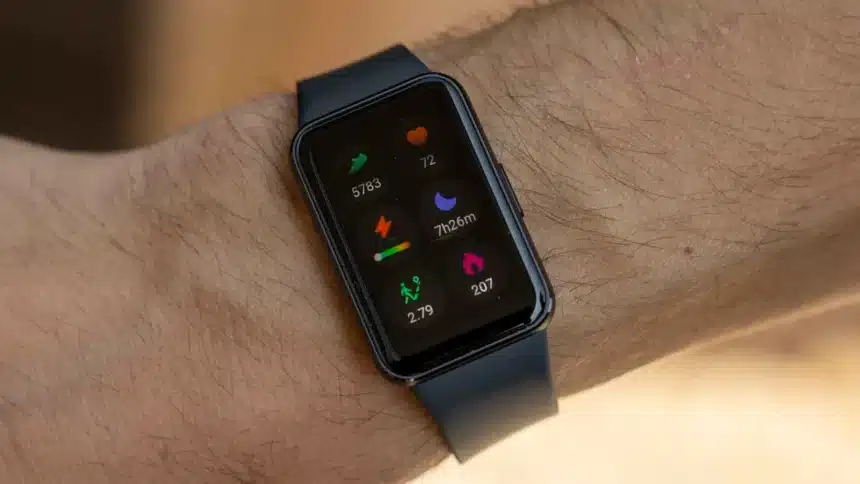
Affordable Fitness Trackers Gain Momentum
The market for budget-friendly fitness trackers is experiencing a surge in popularity, and in response, Samsung is reportedly preparing to launch its next iteration of the Galaxy Fit. This move comes on the heels of Google’s recent introduction of its cost-effective Google Fitbit Air, signaling a competitive landscape for accessible wearable technology.
Galaxy Fit 4 Development Underway
Information suggests that Samsung is actively developing the Galaxy Fit 4, with an anticipated release slated for September of this year. This would mark the first new Galaxy Fit device since the Galaxy Fit 3, which was released in 2024. The Fit 3 has been recognized as a strong contender for individuals new to fitness tracking, offering a straightforward device with essential health monitoring capabilities.
Unpacked Event Skip, IFA 2026 Target
Current projections indicate that the Galaxy Fit 4 will not be unveiled at the upcoming Galaxy Unpacked 2026 event in July. Instead, the device is expected to go directly to market around the time of IFA 2026, scheduled to take place from September 4th to 8th. Reports suggest it may launch concurrently with the Galaxy Tab S12 and the Galaxy S26 FE.
Potential Features and Cost Considerations
Details regarding specific improvements and new features for the Galaxy Fit 4 remain scarce. However, it is unlikely to feature Wear OS, a system used by its Galaxy Watch counterparts. Instead, it is expected to continue utilizing the RTOS system, similar to its predecessor. This approach is believed to be part of Samsung’s strategy to maintain a more affordable price point, though the exact cost is yet to be determined.
Health Tracking and Connectivity
While the full scope of health tracking enhancements is unclear, the Galaxy Fit 4 is anticipated to retain core functionalities such as step counting, heart rate monitoring, and sleep tracking. Users can also expect continued support for music playback control and smartphone notifications. There is speculation that Samsung might integrate some AI-powered features from Samsung Health to compete more directly with offerings from competitors.
GPS as a Key Upgrade
A significant potential upgrade for the Galaxy Fit 4 would be the inclusion of GPS. The current Galaxy Fit 3 lacks this feature, and its addition would allow for more precise tracking of outdoor activities. Furthermore, integrated GPS would enable users to track their workouts without the need for a connected smartphone.
Competitive Market Dynamics
The growing popularity of basic fitness trackers, exemplified by the Google Fitbit Air, highlights a consumer trend towards simpler, more affordable wearable devices. These devices offer sufficient health functions and smartphone controls without the advanced features and higher cost of premium smartwatches. Samsung’s success with the Galaxy Fit 4 could hinge on differentiating itself, potentially through the inclusion of GPS, a feature absent in the Fitbit Air.