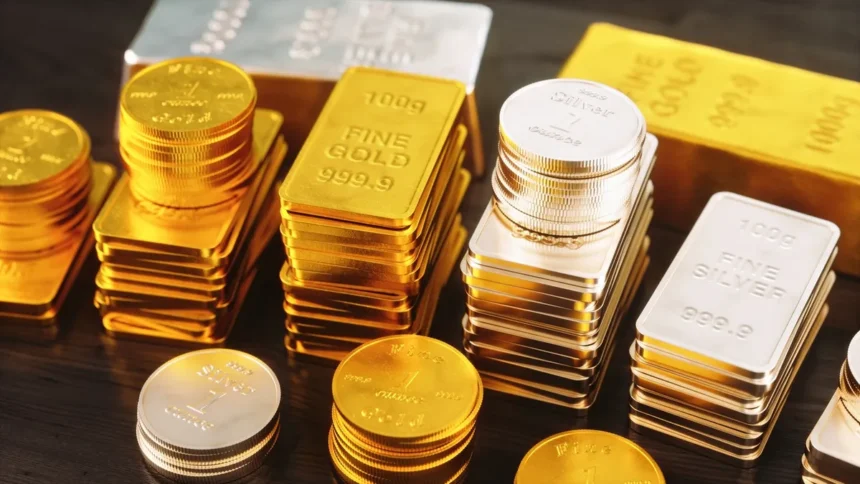
Gold prices display an unexpected reaction amid the escalating Iran conflict. Investors typically anticipate a surge in safe-haven demand during such geopolitical upheavals, propelling gold higher. Yet, nearly three weeks into the tensions, this conventional response remains absent.
Safe-Haven Expectations Unmet
Analysis reveals that gold, tracked closely by the GLD ETF, fails to rally despite the turmoil. Heightened risks from the Iran situation ordinarily boost demand for precious metals as a refuge from uncertainty. Current market behavior challenges this norm, with gold underperforming.
The Role of Oil Prices in the Dynamic
Oil prices climb sharply due to supply disruptions linked to the conflict, creating an inverse correlation with gold. Rising crude costs fuel inflation concerns, prompting expectations of sustained or higher interest rates. This strengthens the U.S. dollar and elevates Treasury yields, both of which weigh on gold’s appeal.
Market data confirms this pattern: as oil extends gains, gold faces downward pressure from liquidations and shifts toward cash holdings. Officials note that energy market volatility overshadows traditional safe-haven flows.
Outlook for GLD Amid Volatility
For GLD holders, the short-term divergence highlights broader macroeconomic influences over pure geopolitics. While the conflict persists, investors monitor oil trajectories and Fed policy signals for shifts in gold’s trajectory. Long-term structural factors, including central bank demand, support gold’s resilience.