Historic Rome left behind sufficient struggle, politics, and spectacle to fill libraries. However a few of its most transferring strains sit on pet graves.
A set of surviving epitaphs for canine reveals homeowners grieving in plain, direct language. One mourns the lack of kisses and lap time. One other marks a canine who “by no means barked with out purpose.” As The Dodo notes, these inscriptions don’t deal with canine as instruments. They learn like farewells to members of the family.
Picture: Wikimedia Commons/Gary Todd, License: Public Area
Roman canine had been companions in addition to employees
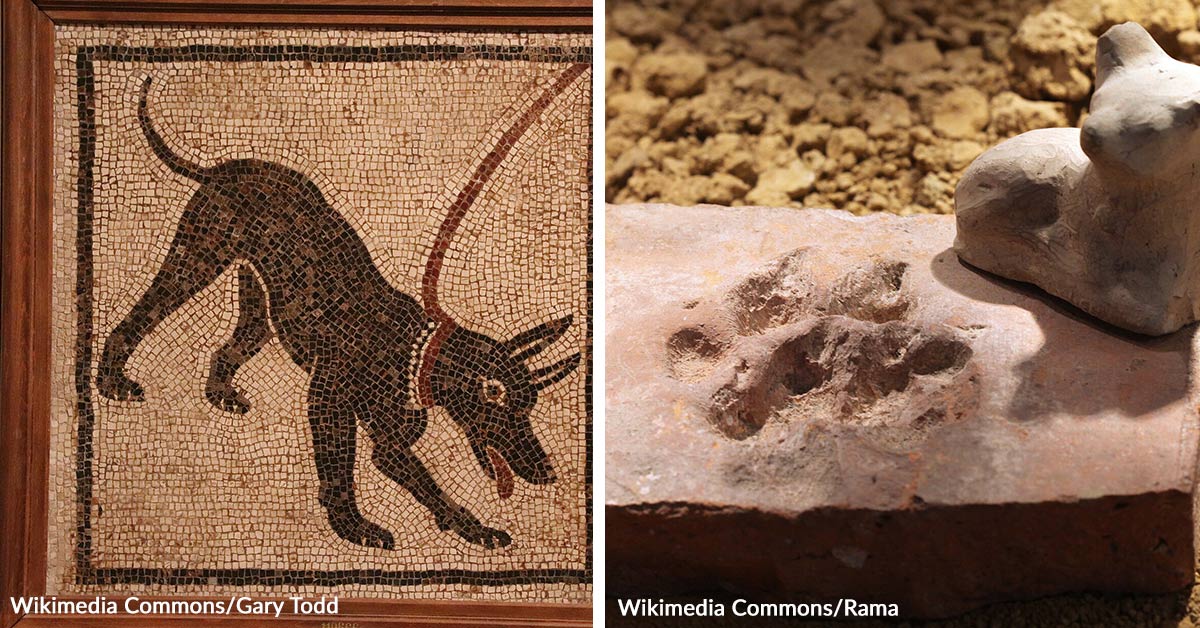
Canine had jobs in Roman life. They guarded houses, hunted, and appeared in acquainted warnings like cave canem, or watch out for the canine. However that sensible function didn’t cancel affection.
Classics for All factors to the stress on the heart of Roman tradition. This was a society that might cheer blood sport and nonetheless mourn a household pet with tenderness. The epitaphs sit on that fault line. They reward loyalty, intelligence, and closeness, not utility.
That’s what makes them really feel so present. The loss shouldn’t be summary. It’s home.

Picture: Wikimedia Commons/Bjoertvedt, License: CC BY-SA 4.0
Pet graves in historic Rome borrowed the language of household
Some epitaphs went past affection and edged into kinship. A memorial for a canine named Helena described her as a foster little one worthy of reward, in keeping with JSTOR. The identical research argues that Roman animal epitaphs typically used language that humanized the pet, folding it into the emotional world of the household.
That sample seems elsewhere too. Cambridge Core notes that these inscriptions typically listed an animal’s qualities and the proprietor’s sorrow. One even pleaded with passersby to not chortle as a result of it was “a mere canine’s grave.” That line tells its personal story. Roman mourners knew some folks would sneer. They carved the grief anyway.

Picture: Wikimedia Commons/Rama, License: CC BY-SA 2.0 FR
Why canine epitaphs stand out amongst Roman pet memorials
Romans saved different animals too. Birds and cats seem in houses and artwork, however they hardly ever appear to have acquired the identical flood of epitaphs as canine. TheCollector notes that cats present up on funerary stelae, typically beside youngsters, but canine dominate the inscribed mourning.
That imbalance says one thing easy. Canine lived nearer to the heart beat of each day Roman life.
The surviving epitaphs don’t sound ceremonial. They sound private. That’s the reason they final. Strip away the centuries, and the message stays clear: a Roman stood over a useless pet and wished the world to know this loss mattered.