Tyre, Lebanon – March 15, 2026
Fishing boats sit idle in Tyre’s ancient harbor under a calm turquoise sea, ideal conditions wasted as locals stay ashore. Fishermen anticipate another Israeli airstrike on the city, prompting them to halt operations for safety.
Tension in the Harbor
Mehdi Istambouli, owner of a small timber boat, explains the decision. He and his wife stock enough food for their four young children, but repeated attacks keep everyone vigilant. Near a statue of the Virgin Mary overlooking the vessels, Istambouli notes the harmony in this Christian enclave of Tyre, known biblically as Sur.
“I’m a Muslim, and this is the Christian area, but we all live peacefully together,” Istambouli says. “We’re fine unless outsiders from nearby villages arrive—we don’t know their affiliations.”
Such wariness stems from Israeli Defense Forces (IDF) drones surveilling cities like Tyre, 20 kilometers from the border, for Hezbollah targets. The militia initiated rocket fire into northern Israel on March 2, drawing Lebanon into the broader conflict with Iran. Nearby, the UNESCO-listed al-Bass ruins remain shuttered.
Istambouli adds, “The enemy monitors our movements via drones better than our own government does.”
Airstrike Unfolds
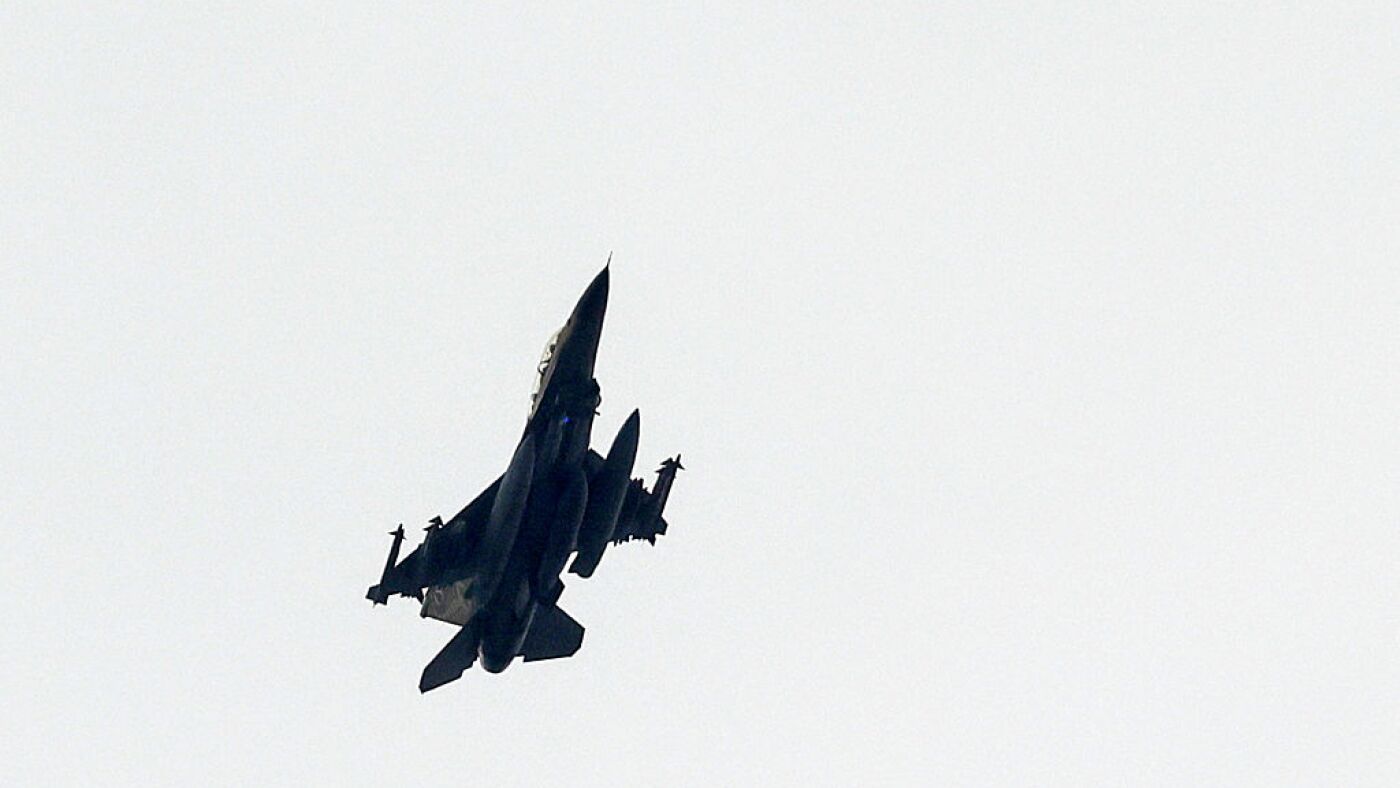
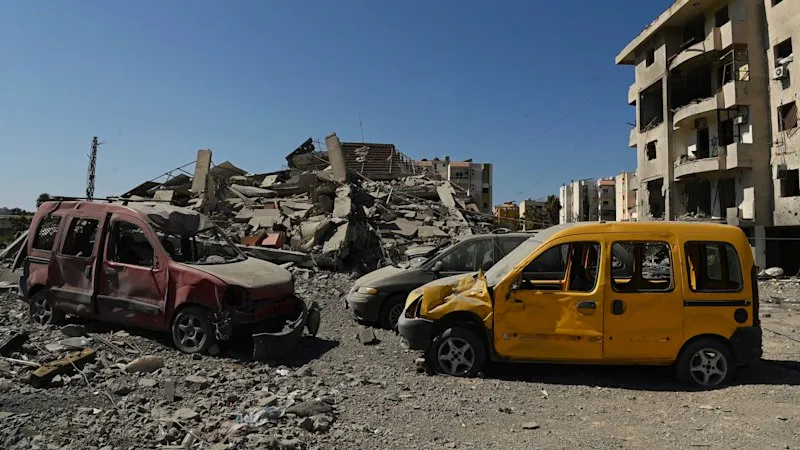
Along the sea wall, the city sprawls across the bay with Mount Hermon snow-capped in the distance. An Israeli jet roars overhead, followed by smoke and a blast. The strike levels evacuated apartments in a previously hit complex, with no casualties reported.
These operations showcase Israel’s precision targeting of Hezbollah leaders using drones and missiles, often without prior warnings. Speculation swirls around hits on Hezbollah, Hamas, or Iranian Revolutionary Guard Corps members, heightening distrust of strangers in Lebanon’s traditionally hospitable culture.
Civilian Toll Mounts
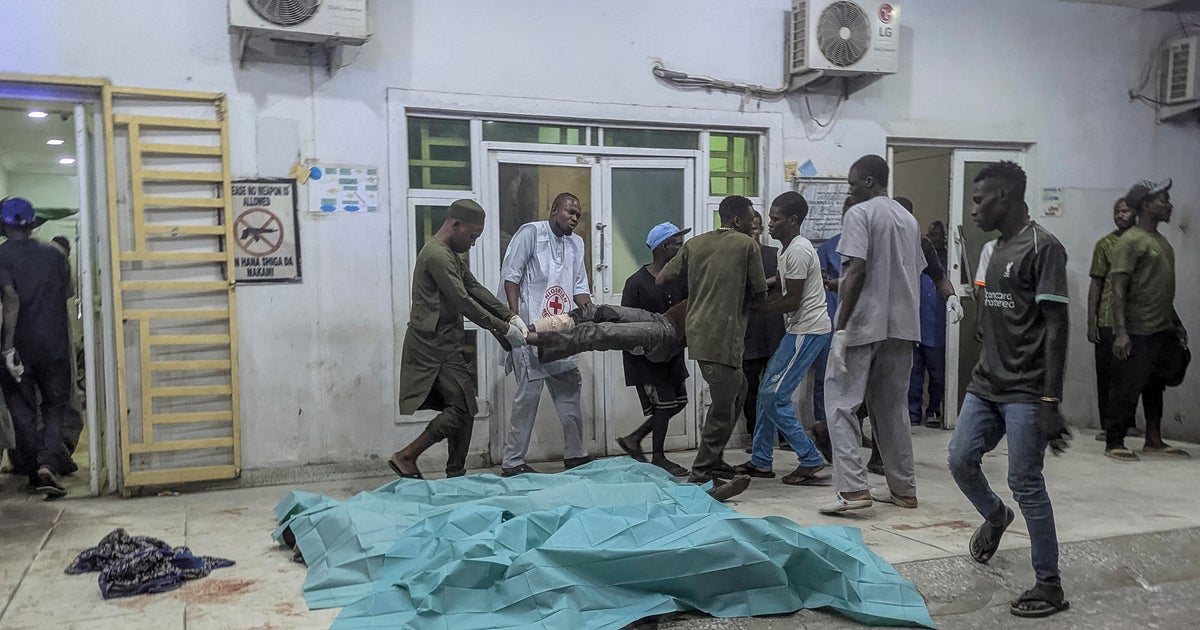
Neighbours near a missile-struck house last week suspected sheltered outsiders loyal to Hezbollah turned it into a target. In Beirut’s Ramlet al-Bayda beach area, a strike on two cars killed eight and injured 31 amid tent-dwelling crowds.
Residential strikes crater homes, where Hezbollah operatives may hide near innocents. A Raouche hotel drone attack killed five Iranian guards, wounding 10 others including three children nearby.
On Israel’s side, Hezbollah rockets and Iranian missiles have killed 15 and injured over 2,000 since February 28. Lebanon’s health ministry reports 773 deaths and 1,933 injuries from attacks since March 2, with over 800,000 displaced.
Many Lebanese groups—from Maronites to Druze—blame Hezbollah’s Iran-backed decision to strike Israel for the devastation.
Defiance Persists
East of Beirut in Hezbollah-stronghold areas, residents vow resistance. In Douris south of Baalbek, a warplane missile demolished homes, injuring five. Amid debris—a child’s toy elephant and schoolbooks—homeowner Adam Shreif declares no regret.
“I’m happy to sacrifice this house for the resistance and country,” Shreif states. “After this war, Israel should be gone.” A Hezbollah flag now marks the rubble.