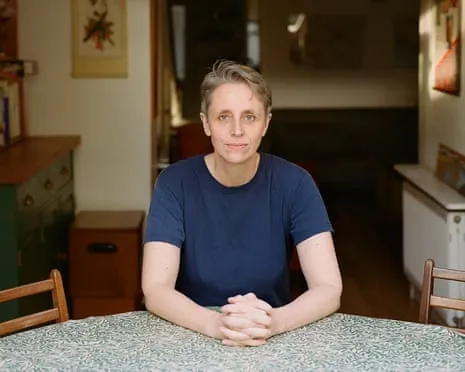
Philosopher Kathleen Stock delivers a compelling argument against state-sanctioned assisted dying in her new book Do Not Go Gentle. She directly critiques the ongoing end-of-life bill in the House of Lords while opposing the broader principle of institutionalizing death.
A contrarian stance amid public support
Recent polls reveal that about three-quarters of Britons support assisted dying for terminally ill patients. Stock, known for her bold positions, pushes back firmly. She resigned from the University of Sussex in 2021 after backlash over her views in Material Girls, where she argued that biological sex is binary and should underpin women’s protections rather than gender identity.
The book’s title draws from Dylan Thomas’s 1951 poem, urging resistance against death. Stock clarifies she does not glorify suffering but warns that legal frameworks for assisted death invite rapid expansions through lobbying and special cases.
Global expansions raise alarms
Canada’s Medical Assistance in Dying (MAiD) program, launched in June 2016, initially limited eligibility to those with a reasonably foreseeable death. It now includes serious, incurable non-terminal conditions, with plans by 2027 to cover mental illness alone.
In Benelux countries, doctors can assist deaths for patients enduring unbearable psychological suffering without physical illness. Laws beginning with adult-only provisions have extended to severely ill infants and children.
Stock focuses on typical cases: terminally ill patients seeking assisted suicide. She contends that robust palliative care and pain management could eliminate such needs. UK hospice services remain inconsistent, costly, and dependent on charity and NHS funds, prompting questions about whether assisted dying serves as a cost-cutting measure.
Protections for the vulnerable
Canadian data shows non-terminally ill disabled individuals opting for MAiD due to inadequate home support services. Stock highlights risks of family pressure on elderly relatives to hasten death, avoiding care costs or accelerating inheritances.
She points to frequent court cases of fraud involving mortgages, pensions, and benefits as evidence that not everyone acts with kindness. Stock cautions against systems rooted in flawed assumptions that expose vulnerable people—potentially all of us eventually—to coercion.
Do Not Go Gentle urges readers to reject these developments thoughtfully.