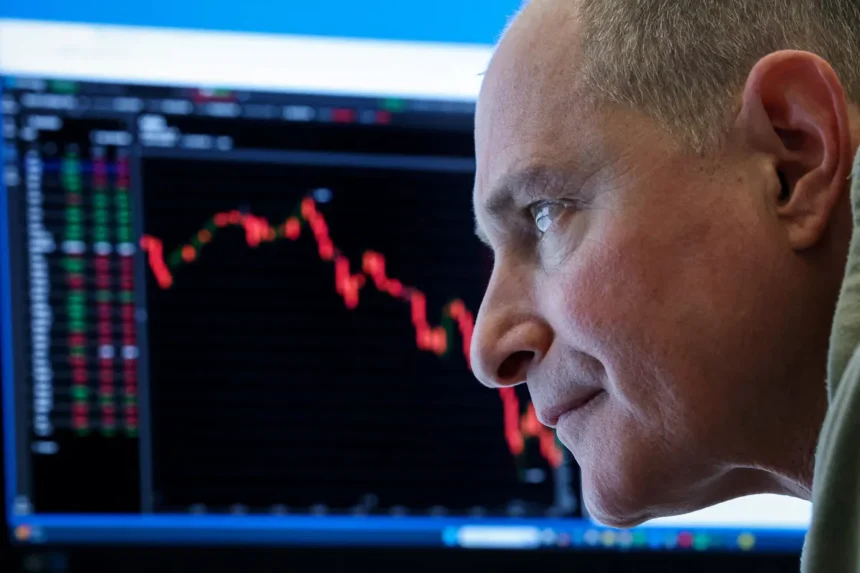
Stock markets fluctuate wildly as global events sway investor confidence and drive daily price swings. Newer investors face unfamiliar territory following three years of steady North American stock gains. This turbulent environment offers a prime opportunity to gauge resilience against volatility.
DIY Investing: Strengths and Challenges
Do-it-yourself (DIY) investing provides full control, boosts engagement with portfolios, and keeps costs low. However, it lacks professional guidance for selecting suitable investments or calming nerves during downturns—support typically available from financial advisors.
Assess Your Anxiety Levels
Use this market roller-coaster to evaluate personal stress. Mild discomfort from declining investments proves normal, but constant monitoring, daily account checks, or fixation on holdings signal potential issues. Such anxiety heightens risks of impulsive sells, harms mood, and disrupts daily life.
Common anxiety triggers include doubts over investment choices or confusion about market dynamics and recovery prospects.
Financial Advisors for Emotional Support
For those rattled by market swings, a human financial advisor delivers personalized reassurance. Skilled professionals explain conditions, reinforce investment rationales, and affirm suitable asset allocations regardless of short-term fluctuations. Select advisors offering high-quality service and direct access.
Robo-Advisors for Diversification and Peace
If market knowledge exists but diversification concerns persist, robo-advisors—also known as managed investing platforms—provide an efficient alternative. These services assess risk tolerance through questionnaires, build diversified portfolios across Canada, the U.S., and international markets using low-cost, market-tracking ETFs. This strategy delivers strong long-term results, allowing investors to relax knowing experts designed the holdings.
Avoid Costly Mistakes and Prepare for Worse
Appropriate support prevents errors like selling at losses or futile market timing, both damaging to returns. Decide now while declines remain modest to brace for severe downturns, such as the 50% drops in Canadian and U.S. markets during the 2007-2009 financial crisis or the 2000-2002 dot-com bust. DIY investors have dodged such tests for nearly two decades.
Success in volatility demands a solid plan for turbulent times, whether solo or with assistance.