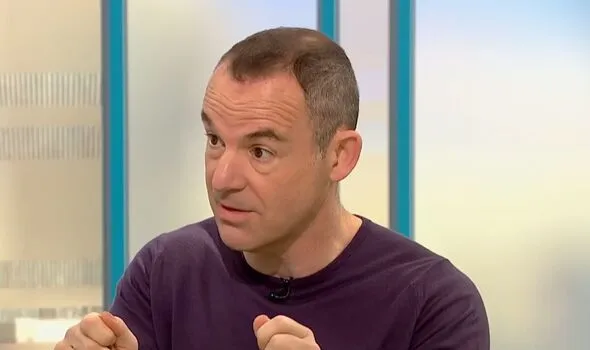
Martin Lewis offers essential advice for managing bank accounts and household budgets effectively, particularly for couples. On his BBC podcast, he explores strategies for handling everyday expenses when partners combine their finances.
Adapting to Later-Life Partnerships
Couples today often unite later in life, bringing established independent finances. Lewis stresses the need for a solid financial strategy, stating, “The way that people operate their finances together is absolutely crucial.”
One listener describes using a joint account where she manages all finances due to her financial expertise, while her partner lacks the same savvy. Lewis cautions against this one-sided approach, highlighting the “three Ds”: death, divorce, and dementia.
He explains, “The problem with one person doing it is, if they are not communicating with the other partner, if there isn’t a good financial factsheet list of details of who every provider is and why the decisions were taken and made, then if one of the three Ds were to hit the person who is in charge of the finances, it can leave the other partner in the lurch terribly.”
Survey Insights and Real-Life Challenges
A poll among listeners reveals that 50 percent of couples rely on one partner for financial oversight. Lewis shares encounters with individuals, especially women in their 50s, suddenly thrust into financial chaos after a partner’s death.
He urges those leading family finances to ensure clear communication and documentation. “It’s fine for you to be the lead financer in your family, as long as your husband who you say isn’t good with money, understands the decisions you’re making and you have enough details and explanation, that in the event something were to happen to you, he would be able to take over relatively seamlessly,” Lewis advises. “If not, the gift of looking after the family finances can be a curse.”
Promoting Regular Financial Check-Ins
Another listener holds informal six-monthly reviews with their partner. Lewis praises this practice: “I think those meetings are incredibly important. Kitchen table financial budgeting meetings – especially if family finances are tight – are really worthwhile doing. So you’ve got somebody to pass the information off, and check that everybody is happy and everybody understands what is going on.”
No single method fits all, Lewis notes: “There is no right or wrong way to do this, I wouldn’t want to be prescriptive.” He particularly values one tip: creating a monthly net worth statement for a clear financial snapshot.
Recommended Bank Accounts for New Couples
For those moving in together, Lewis recommends exploring switch bonuses. Current offers include £200 from Lloyds Bank for Club Lloyds or £500 for Premier; £175 from First Direct; £200 from Santander; and £100 from Co-operative Bank.
His top choice for this scenario is the Santander Edge account. It provides a £200 switching bonus, a 6 percent easy-access savings rate on up to £4,000, and 1 percent cashback on household bills via direct debit, capped at £10 monthly. This offsets the £3 monthly fee, netting £7 per month or £84 annually. Lewis concludes, “For joint accounts, if they are bill-only accounts, that would be your winner.”