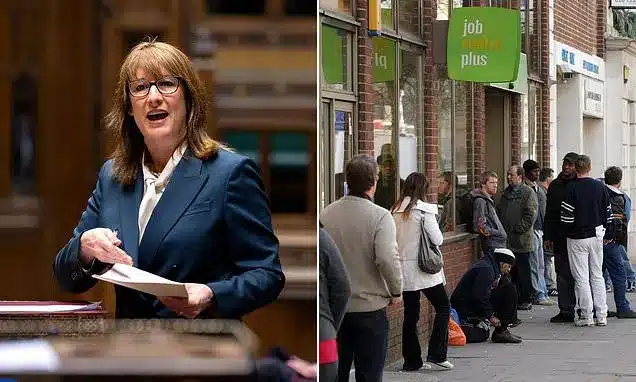
MPs and benefit claimants receive substantial increases this week to offset the cost-of-living crisis. Chancellor Rachel Reeves recently ruled out widespread aid for families facing the energy crisis sparked by the war in Iran.
MPs’ 5% Pay Rise and Cost-of-Living Adjustment
Members of Parliament secure a 5% salary increase to £98,599, including a £3,300 cost-of-living payment. This applies to ministers and backbenchers alike, benefiting leaders such as Prime Minister Sir Keir Starmer and Chancellor Reeves. Unelected House of Lords members see their tax-free daily attendance allowance rise to £390.
The Independent Parliamentary Standards Authority approved the rise, citing growing job complexity and intimidation risks. Salaries are projected to reach £110,000 by 2029.
Benefit Claimants’ 6.2% Increase
Universal Credit, the largest benefit, rises by 6.2%—twice the 3% inflation rate—affecting 6.5 million claimants. This £1.9 billion cost comes from reductions in the benefit’s health element. The Conservatives criticize redirecting these savings to fund other welfare hikes.
Two-Child Benefit Cap Abolished
Next week, the government scraps the two-child benefit cap, costing £3.5 billion annually. The policy previously limited means-tested benefits like Universal Credit and child tax credit to the first two children, reducing payments by about £3,455 per additional child.
Official figures indicate nearly 200,000 non-working large families gain thousands yearly, with the largest receiving over £10,000 extra. Education Secretary Bridget Phillipson calls the cap ‘awful’ and states it addresses cost-of-living pressures.
Phillipson told Sky News: ‘There are big cost of living pressures we know that families are facing. And that’s why we are taking action.’ She highlighted energy bill support, expanded breakfast clubs, childcare, minimum wage hikes, and a 4.8% state pension increase under the triple lock.
Criticism from Tax Experts and MPs
William Yarwood of the TaxPayers’ Alliance warns Britain heads toward a ‘two-tier society’ where workers bear unsustainable loads. He states: ‘Taxpayers are exhausted from having to repeatedly broaden their shoulders as ministers demand ever more from fewer and fewer people.’
‘Britain is rapidly becoming a two-tier society, with politicians and benefit claimants protected from economic struggles while a shrinking class of working productive taxpayers shoulder an increasing burden,’ Yarwood adds. He advocates freezing benefits and tying MPs’ pay to GDP per capita.
Restore Britain MP Rupert Lowe, who donates his salary to charities, notes his Great Yarmouth constituents as the ‘only taxpayers’ benefiting from the MP rise. He says: ‘I actually wouldn’t mind paying MPs more if they delivered the goods – sadly, we all know that is not the case. The system is entirely broken – designed to protect the cheats, the indolent and the fraudsters. That’s just the MPs.’
‘Cut tax, cut the size of the state, cut waste. Brutally. That is the only way to actually get inflation down and tackle the cost of living,’ Lowe urges.
The MP rise exceeds nurses’ 3.3% offer and private sector’s 3.3% growth, versus public sector’s 5.9%.